Camera: Canon EOS M3 (Photography Museum)

< Back to the Photography Museum Cameras

Canon EOS M3

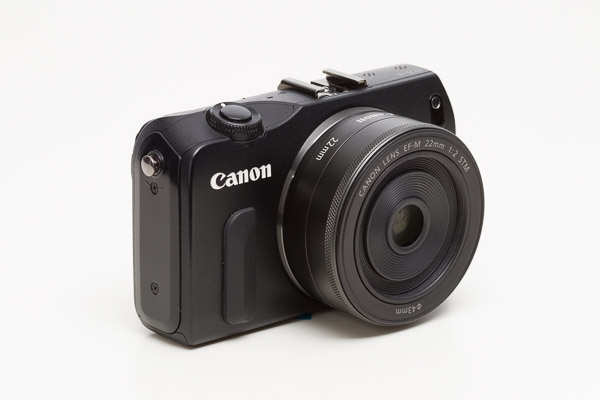
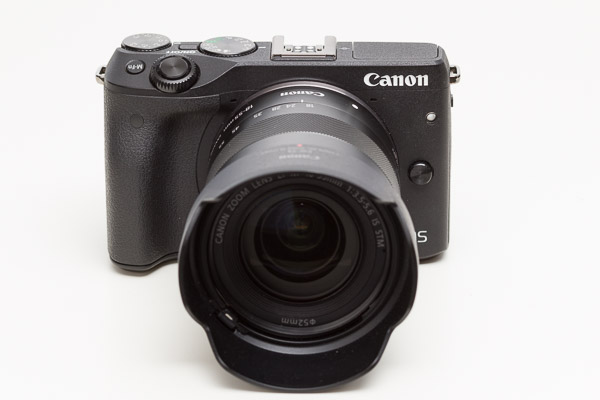
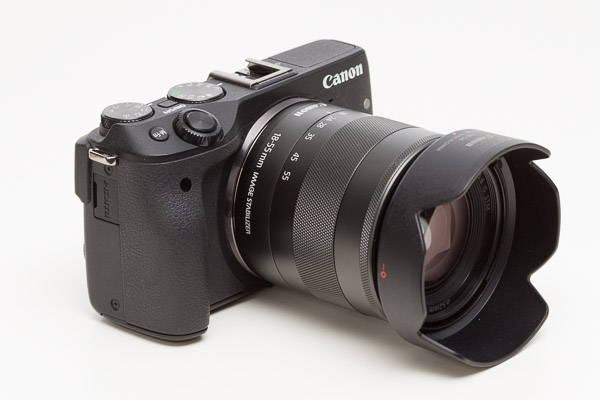
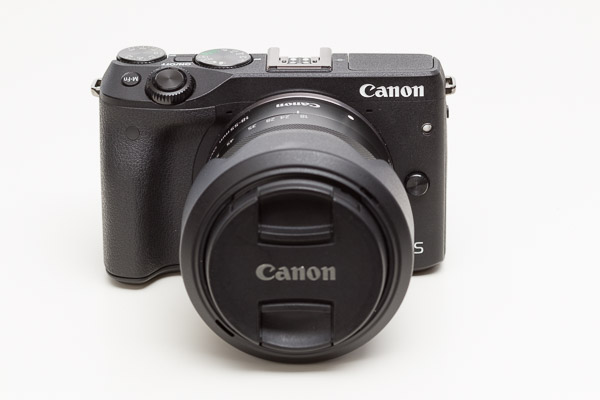
The Canon EOS M3 (released 2015) is my second camera in the M-series. (The EOS M2 was never released in North America and featured modest improvements over the original firmware updated EOS M.)

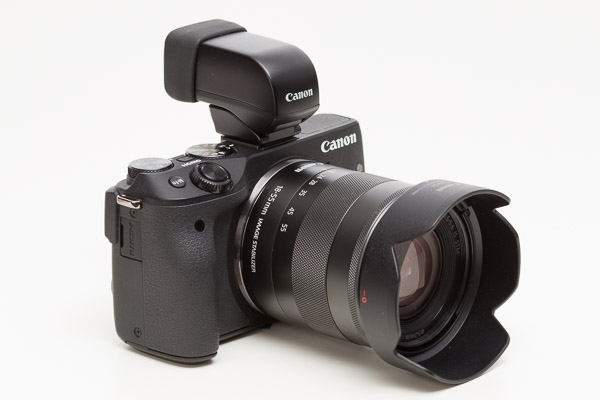
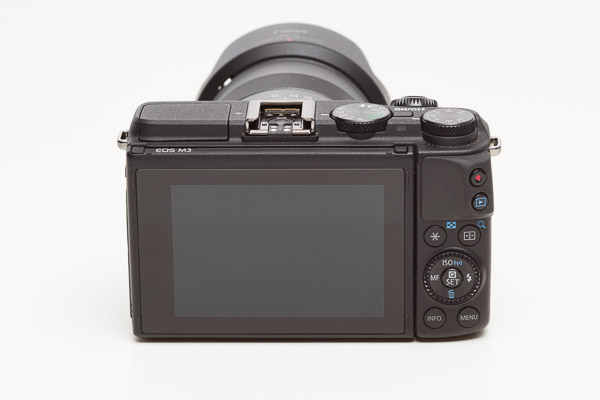
The M3 features a 24 megapixel sensor, dedicated exposure compensation dial, larger grip, an optional hot-shoe mounted EVF, and more DSLR-like handling. The body is larger than the original M, but still compact.

Focusing and overall speed are improved in the M3, though continuous shooting is stilled maxed out at 4.2 frames per second (much worse in Servo AF mode).

I quite enjoy shooting with the M3. Having to attach or remove the EVF is a bit of a pain. However, I really appreciate the tilting function of the EVF, especially when working on a compact tripod, or shooting from low angles.

With the M3 I added the EF-M 55-200mm ƒ/4.5-6.3 IS STM zoom lens (released 2014) to my collection.

In 2015 my family moved to a new house. Desiring to photographically document the interiors of both the old house and the new house, I added two Canon Speedlite 6OOEX-RT flashes and a compact stand set to my collection. The radio transmission (RT) multi-flash setup has many advantages over the old optical transmission system, especially when line of sight is a concern. I paired the new Speedlites with a compact stand and umbrella kit from Photo Republic and on-flash modifiers by Roque Flash.

Prior to the release of the Canon EOS M5 I wrote an article which is essentially a review of the M3: What Do You Want to See in the EOS M System?

http://global.canon/en/c-museum/product/dslr820.html
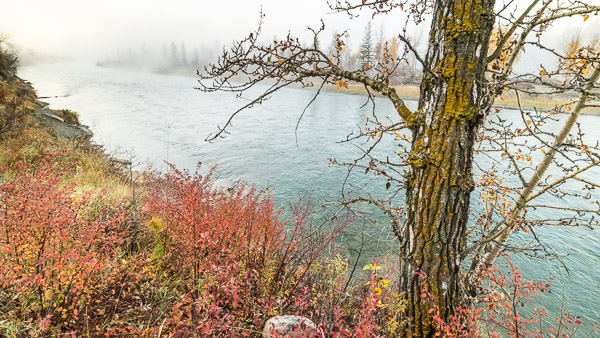
Bow River Autumn Morning 1
Bow River Autumn Morning, Calgary, Alberta, Canada
ReplacesReplaced by
Canon EOS MCanon EOS M5

Photography Museum   |   Cameras
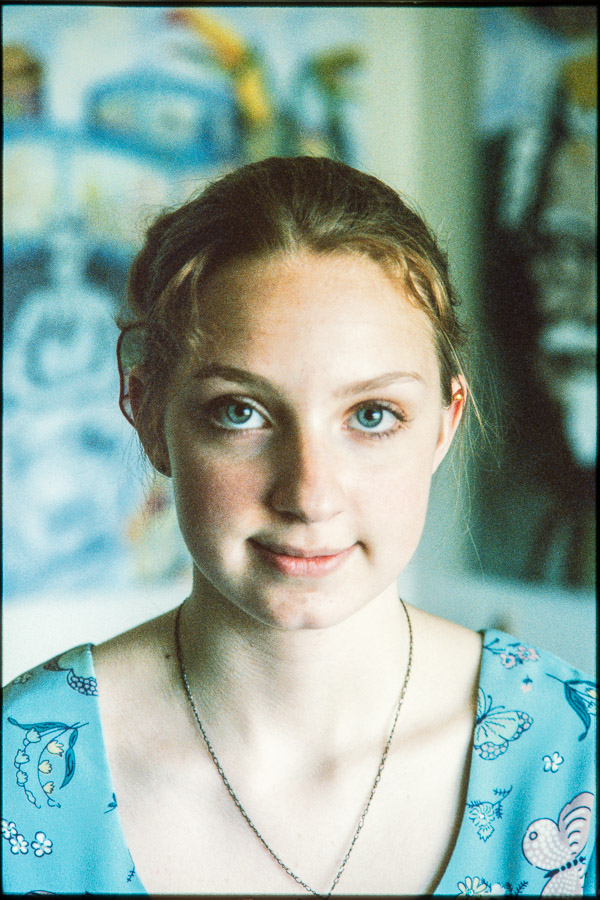
Camera: Canon EOS M (Photography Museum)

< Back to the Photography Museum Cameras

Canon EOS M

When Canon introduced its first compact mirrorless interchangeable lens camera (MILC), the EOS M, in 2012 I was instantly intrigued. The compact body and new EF-M mount lenses promised DSLR performance without the bulk.

I always loved the speed, usability, and quality of my SLR and DSLR cameras, but never enjoyed the bulk. Too often I would choose not to carry a camera anytime space and weight were a premium (travelling, backpacking, canoe tripping — you know, all those times one might want to record some photographs). For many years, if I did carry a camera, it was usually in the form of an iPhone, or a compact digital camera.

The EOS M body is not much bigger than the S90 or S110 I was using at the time. It also features a touch screen that I had grown accustomed to via the iPhone. While many reviewers and would-be buyers bemoaned the EOS M’s lack of electronic viewfinder, I had no problems shooting with just the fixed rear screen.

The EF-M lenses introduced with the EOS M are compact and of sufficient quality. I could also use my Canon EF lenses via the EF-EOS M adapter.

The biggest downside of the EOS M was its glacial focusing speed, especially with adapted lenses. This was fixed to some degree by a firmware update that sped up focusing with EF lenses by about 50%.

I purchased the EOS M in a kit with the EF-M 18-55mm ƒ/3.5-5.6 IS STM standard zoom lens (released 2012). I also purchased the EF-M 22mm ƒ/2 STM pancake lens (released 2012), and EF-M 11-22mm ƒ/4-5.6 IS STM ultra-wide zoom lens (released 2013). Additionally, during the time I was most actively using the EOS M, I added the Canon EF 85m ƒ/1.8 USM (released 1992) and EF 8-15mm ƒ/4L Fisheye USM (released 2011) lenses to my collection.

The EOS M lacks a built-in flash but was announced with the Canon Speedlite 90EX compact flash. I almost never use the 90 EX as an on-camera flash by itself, but it can work as a hot-shoe mounted optical wireless master controller for other Canon Speedlites, the mode in which I usually use it. All flash settings, including slave flash settings, are configured on the camera touchscreen in a very intuitive UI. At half the price of the Canon ST-E3-RT Speedlite Transmitter the Speedlite 90EX is an attractive option for optical wireless multi-flash setups.

The EOS-M series reignited in me a passion for photography.

http://global.canon/en/c-museum/product/dslr812.html

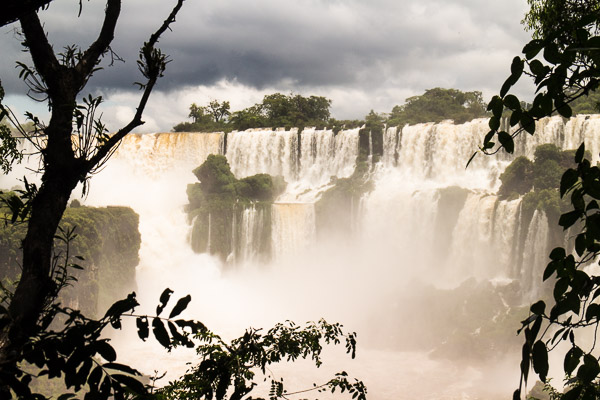
Iguazú Falls 1
Iguazú Falls, Misiones, Argentina
 Replaced by
 Canon EOS M3

Photography Museum   |   Cameras

Camera: Canon EOS 30D (Photography Museum)

< Back to the Photography Museum Cameras

Canon EOS 30D

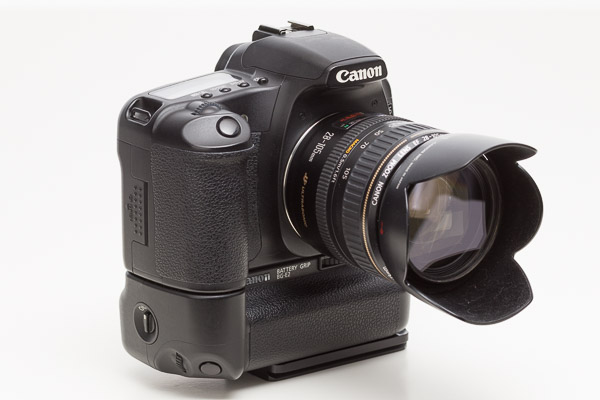
I replaced my aging Canon EOS 10D in early 2009 with a not much newer but much better used Canon EOS 30D (released in 2006). I bought the EOS 30D with vertical battery grip from a photographer co-worker for $600.

I usually put more emphasis on usability than on pure specs, but the EOS 30D was a very nice upgrade over the EOS 10D: 30% larger sensor (8.2 vs. 6.3 megapixels), larger viewfinder, 9 vs. 7 AF points, 1/8000 vs. 1/4000 second shutter, E-TTL II vs. E-TTL auto-flash, 5 vs. 3 frames per second, 11 vs. 9 RAW shot buffer, 2.5″ vs. 1.8″ LCD screen (38% larger), 230,000 vs. 118,000 pixel screen (95% increase), 0.15 vs. 1 second startup time. The EOS 30D accepts the same batteries as the EOS 10D, which is always an important upgrade consideration.

During my stint with the 30D I added to my collection the Canon EF 70-300mm f/4-5.6 IS USM zoom lens (released 2005). That was my first image stabilized lens and longest focal length for a long time. I also purchased the Canon EF 100mm f/2.8 macro. This is a sharp lens for general close-ups too and I use it a lot for object and still-life photography.

I used the EOS 30D extensively until 2012 when I replaced it with my first mirrorless interchangeable lens camera (MILC), the diminutive Canon EOS M.

http://global.canon/en/c-museum/product/dslr792.html

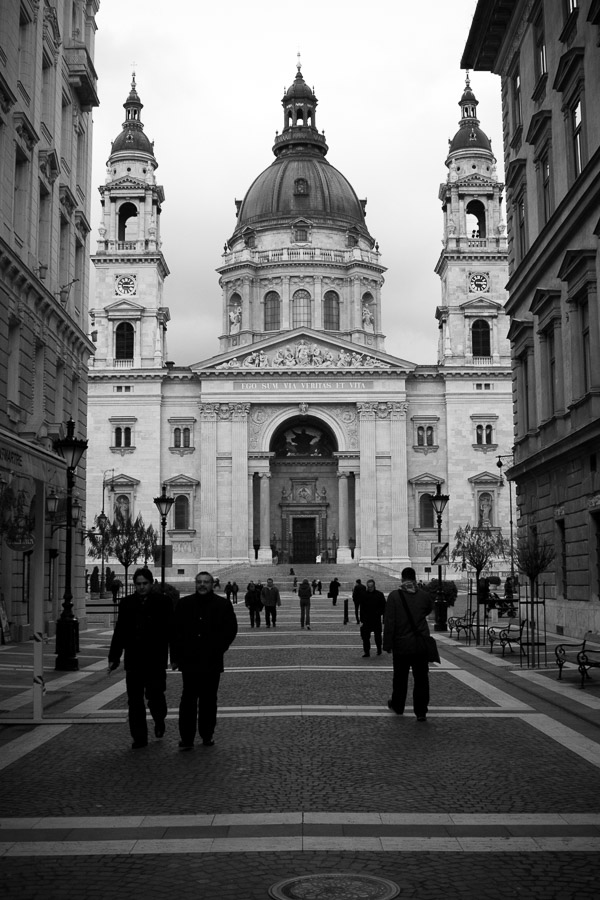
St. Stephen's Basilica, Budapest, Hungary
St. Stephen’s Basilica, Budapest, Hungary
Replaces Replaced by
Canon EOS 10DCanon EOS 7D

Photography Museum   |   Cameras

Camera: Canon EOS 10D (Photography Museum)

< Back to the Photography Museum Cameras

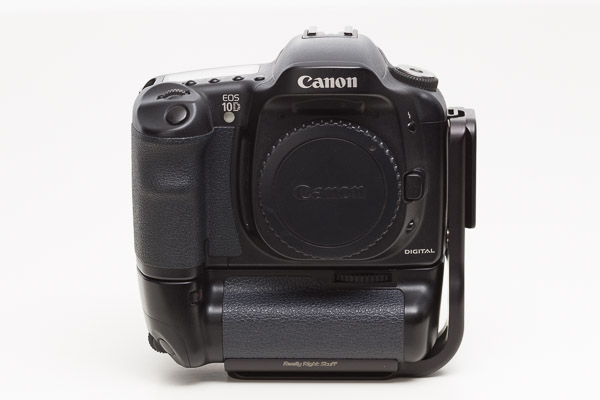
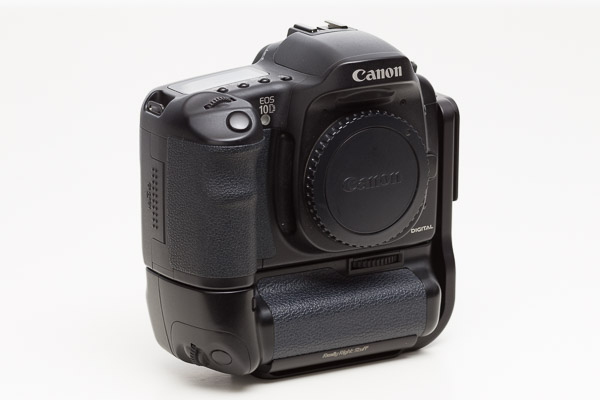
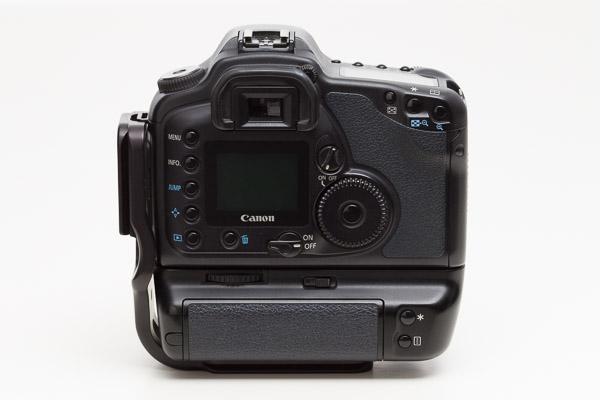
Canon EOS 10D

The mid-2000’s are to be recalled as the years of the megapixel wars. Camera manufacturers iterated annually, releasing bodies with higher resolution sensors but not many new features.

I acquired my first DSLR body, the Canon EOS 10D and vertical battery grip (released in 2003) from my dad when he upgraded to the newer EOS 20D. The EOS 10D was only a year old and in pristine condition.

With the EOS 10D I also acquired a Canon EF 28-105 ƒ/3.5-4.5 USM II lens (released 2000). I used that lens a lot as a compact backpacking and hiking lens. The first copy took a dip in the Pacific Ocean during a sea kayaking trip in the Broken Group Islands (better that lens than my EF 16-35 ƒ/2.8 L which I was switching to). I replaced the destroyed lens with a second copy which still sees occasional use.

During my time with the EOS 10D, to effectively complete the transition to digital photography I decommissioned my basement darkroom and purchased an Epson Stylus Photo 2200 (released 2002) 7-colour, pigment based, archival quality, 13″-wide inkjet printer. After almost 14 years I am still using this printer, which is an amazingly long life span for an inkjet. Almost all of my proofing and printing is done on Moab Entrada Bright paper. (I went on a rafting trip on the Colorado river with Moab Paper Co. in 2004, and have been using their products ever since). The Stylus Photo 2200 still produces beautiful prints, though I have been contemplating upgrading to the newly announced Epson SureColor P5000 17″-wide, 10-colour printer.

http://global.canon/en/c-museum/product/dslr783.html

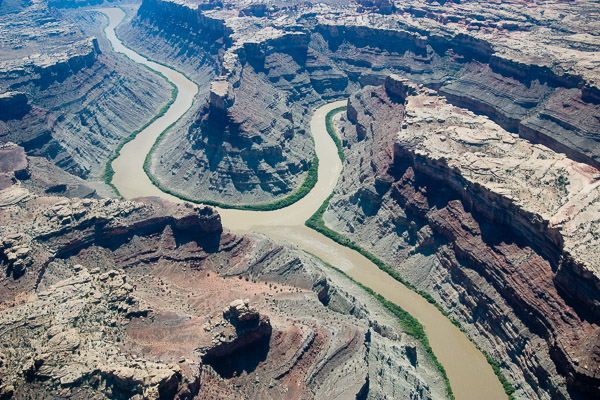
Confluence of the Colorado River and Green River, Utah
 Replaced by
 Canon EOS 30D

Photography Museum   |   Cameras

Camera: Rollei 35 B (Photography Museum)

< Back to the Photography Museum Cameras

Rollei 35 B

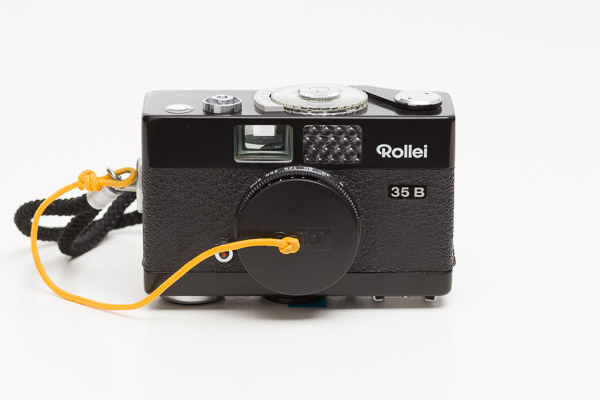
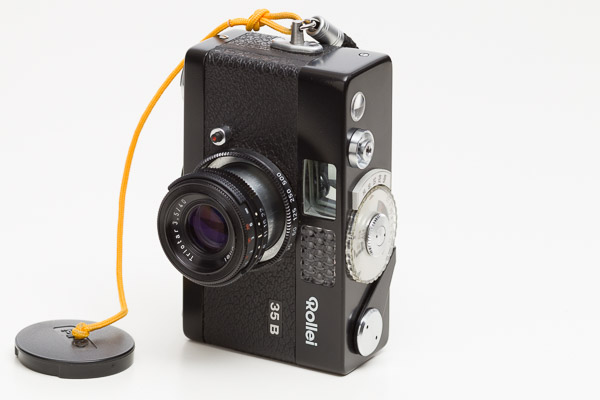
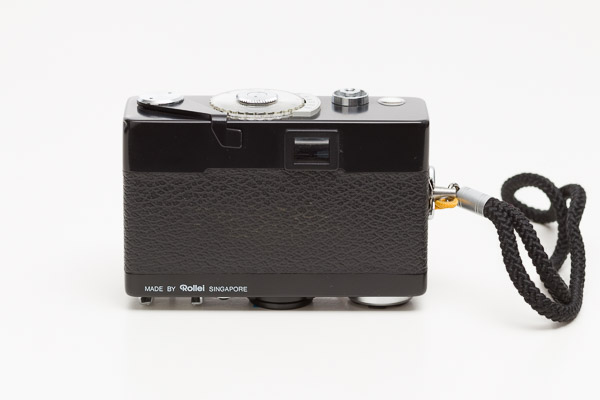
Another camera from my dad. Manufactured sometime between 1976 and 1978 this tiny 35mm camera has been used primarily as a backpacking and back-country skiing camera during the film era, first by my dad and, starting in the late 1980s, by myself. (The original Rollie 35 introduced in 1966 was the smallest 35mm camera ever produced at the time.)

It is really light camera and nice to use if a bit finicky (focusing is never easy on such decoupled viewfinder cameras).

https://en.m.wikipedia.org/wiki/Rollei_35

Healy Pass And The Continental Divide
Healy Pass And The Continental Divide, Banff National Park

Photography Museum   |   Cameras

Camera: Minolta SR-T 101 (Photography Museum)

< Back to the Photography Museum Cameras

Minolta SR-T 101

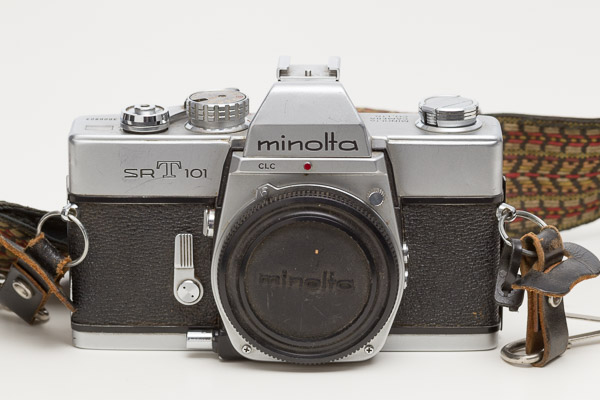
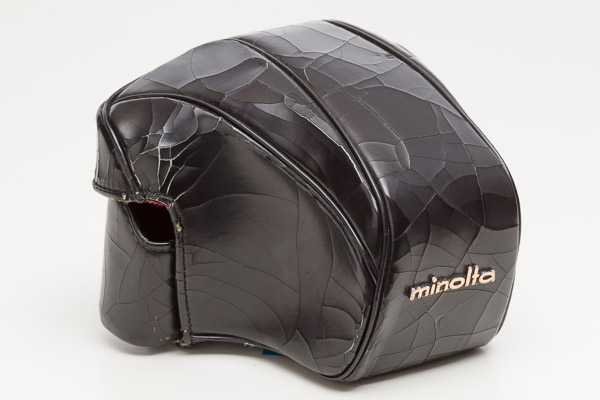
The Minolta SR-T 101 is a TTL metering manual exposure body released in 1966. This copy belonged to my maternal grandfather. I received it from my aunt and uncle after my grandfather passed away. My grandfather had a large collection of cameras (and a lot of other things) and no one is sure wether or not he actually used this camera, or just picked it up at flee market. When the family was cleaning out his house they asked if I wanted anything, and I requested a camera. There was no lens attached to the body, but I am sure I could easily find a lens on eBay.

I recall that when I was a kid my grandfather always had a camera around his neck when he took us to the Colorado state fair, the Albuquerque balloon festival, some air show (he was a pilot in WWII), or anywhere else we happened to go. This camera and attached strap certainly look like something he would have been carrying. For my grandfather, photography was always a hobby and I have seen many nice photographs that he took of my grandmother as a young woman and my mother and her siblings growing up.

https://en.m.wikipedia.org/wiki/Minolta_SR-T_101

Photography Museum   |   Cameras

Camera: Pentax K1000 (Photography Museum)

< Back to the Photography Museum Cameras

Pentax K1000

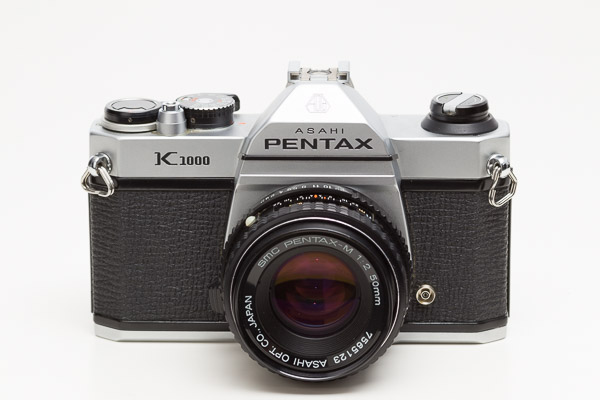
The Pentax K1000 (produced from 1976 to 1997) was a classic manual film camera often used by students. This copy was probably actually the camera my sister used when following me around on photographic forays. I don’t think I ever used it myself. But it is a classic piece of photographic history and so maintains a place in the collection.

https://en.m.wikipedia.org/wiki/Pentax_K1000

Photography Museum   |   Cameras

Camera: Canon EOS Elan 7 (Photography Museum)

< Back to the Photography Museum Cameras

Canon EOS Elan 7 (Canon EOS 30 in Europe)

During university my EOS Elan was starting to show its age. It would also have been advantageous to have a second AF EOS body to shoot with (mainly to have different film types loaded at the same time). I was doing a lot of photography, including some commercial work, but didn’t have a lot of money, so I stayed with the same series and purchased the new EOS Elan 7 (released in 2000).

The EOS Elan 7 was lighter than the EOS Elan, but it also felt more plasticky. On the plus side, the EOS Elan 7 had an optional vertical battery grip which conveniently allowed the camera to run on AA’s.

In this period, shooting location commercial work and even a few weddings, I was in need of a quick, compact lighting setup. I opted for Canon’s E-TTL optical wireless multi-flash setup and purchased one each of Canon’s Speedlite 550EX and Speedlite 420EX (both released in 1998). I also extensively used my dad’s Elinchrom mono-lite studio setup.

While I always enjoyed darkroom work and spent a lot of time printing and developing in the black and white dark rooms in university, I have also always done a lot of photographic processing on the computer, first in Photoshop, later in Adobe Camera Raw, and now in Adobe Lightroom. (I got my first Mac and Photoshop 1.0 in 1989). Some time in the late 1990s or early 2000s I purchased a used Canon CanoScan35mm film/slide scanner (probably the 2700F) from my friend Rob. I stopped using the scanner when I stopped shooting slide film (about the same time my Mac computers abandoned the SCSI interface port).

It wasn’t long after I purchased the EOS Elan 7 that I started seriously pursuing digital photography (see Nikon Coolpix 950/990). Thus the EOS Elan 7 didn’t get a lot of use and I didn’t grow very attached to it.

http://global.canon/en/c-museum/product/film224.html

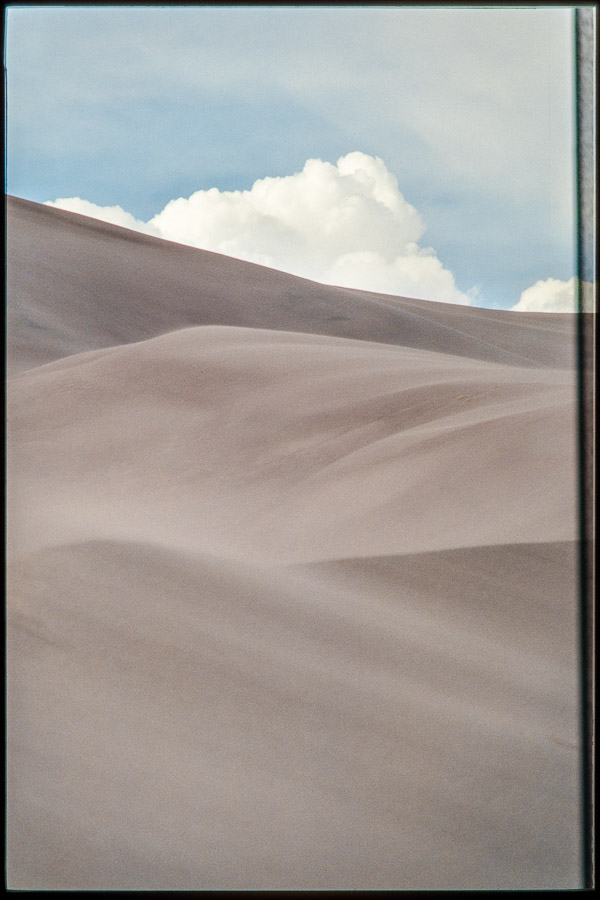
Great Sand Dunes
Great Sand Dunes, Colorado
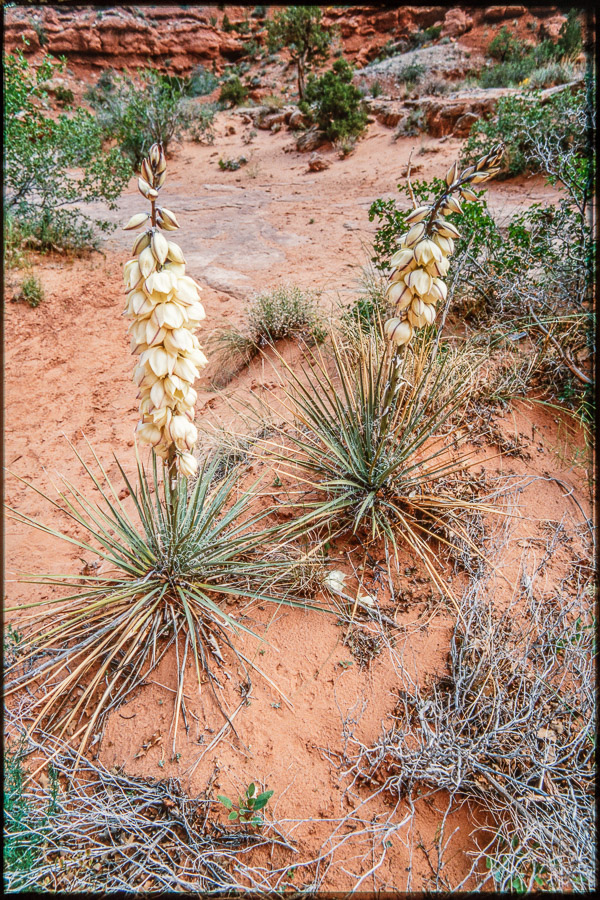
Yucca
Yucca, Moab, Utah
Door At Aztec Ruins National Monument
Door At Aztec Ruins National Monument, New Mexico
Replaces 
Canon EOS Elan 

Photography Museum   |   Cameras

Camera: Canon A1 (Photography Museum)

< Back to the Photography Museum Cameras

Canon A1

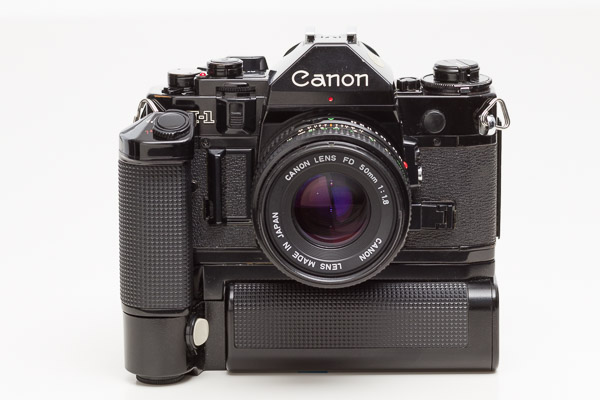
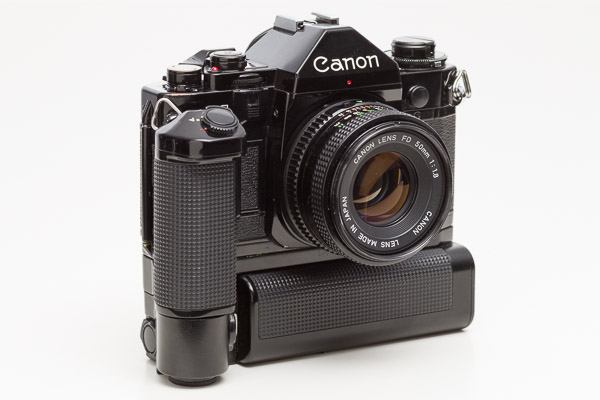
When I received my Canon EOS Elan I couldn’t afford to buy additional EF lenses. My photography buddy, Rob, suggested I buy a used Canon FD body and a few lenses to go with it. We visited a used camera store and he helped me pick out a nice black Canon A1 body and MA motor drive with a Canon FD 50mm ƒ/1.8 lens. (I believe Rob had been shooting with a Canon AE-1 program, but switched to an EOS A2E about this time). Rob gave me his old not-very-sharp Vivitar FD-mount 24mm ƒ/2.8 lens, introducing me to the world of wide angle photography. A few months later, a friend of Rob’s who worked as a rep for Fujfilm was selling off his Canon FD 24mm ƒ/2.8, FD 35mm ƒ/2, and FD 50mm ƒ/3.5 macro prime lenses. I thus built a kit including body and drive and  a suite of primes for quite cheep (much less than the cost of a good single prime EF lens). I also had my dad’s FD 70-210mm ƒ/4 to use.

The A1 was originally released in 1978, and was a fully electronic body with manual, priority, or fully automatic exposure modes. It had a much more robust feel than the EOS Elan. After I acquired my EF 80-200 ƒ/2.8 L lens I carried both bodies and systems for many years, using the A1/FD setup for wide angle work, and the Elan/EF setup for telephoto work.

The A1 still holds a special place in my heart. Perhaps because it was a critical part of my own early photographic development. However, I think it was also just an incredibly well designed and built camera.

I don’t bother to shoot film anymore, but I still occasionally use my FD lenses on my EOS M-series bodies via a Fotodiox adaptor.

http://global.canon/en/c-museum/product/film100.html

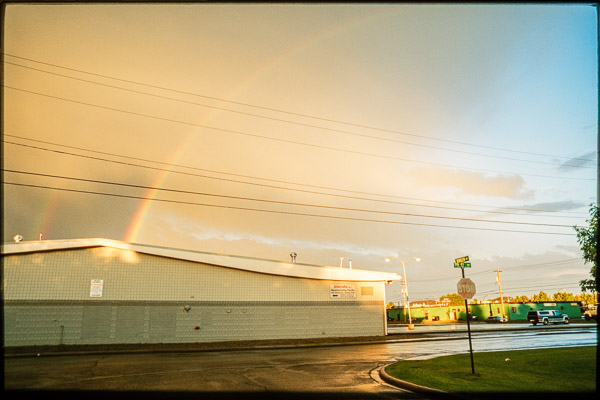
Double Rainbow
Double Rainbow

Photography Museum   |   Cameras

Camera: Canon EOS Elan (Photography Museum)

< Back to the Photography Museum Cameras

Canon EOS Elan (Canon EOS 100 in Europe)

Canon introduced the EOS camera line with the world’s first fully electronic lens mount (EF) in 1987. I remember my brother receiving an EOS body (probably an EOS 630) and the EF 35-80mm ƒ/4-5.6 PZ motorized zoom lens as a gift for his upcoming high school trip to China. I may have that camera in a box somewhere. Regardless, my first EOS body, the EOS Elan (released 1991), was also a gift from my parents for Christmas in 1991 (probably). I thoroughly enjoyed this camera, except for its plastic build.

At first I only had the EF 50mm ƒ/1.8 II lens (released 1990) to use with the EOS Elan. Being a poor high school student I couldn’t afford to buy any other EF lenses for a few years. My first major EF lens purchase was an EF 80-200m ƒ/2.8 L zoom lens (released 1989) towards the end of high school. My next EF lens was the EF 16-35mm ƒ/2.8 L USM ultra-wide-angle zoom lens (released 2001) purchased while I was in art school — this is still one of my favourite lenses to shoot with.

http://global.canon/en/c-museum/product/film148.html

Sarah
Sarah
 Replaced by
 Canon EOS Elan 7

Photography Museum   |   Cameras