


< Back to the Photography Museum Lenses: Canon RF Mount
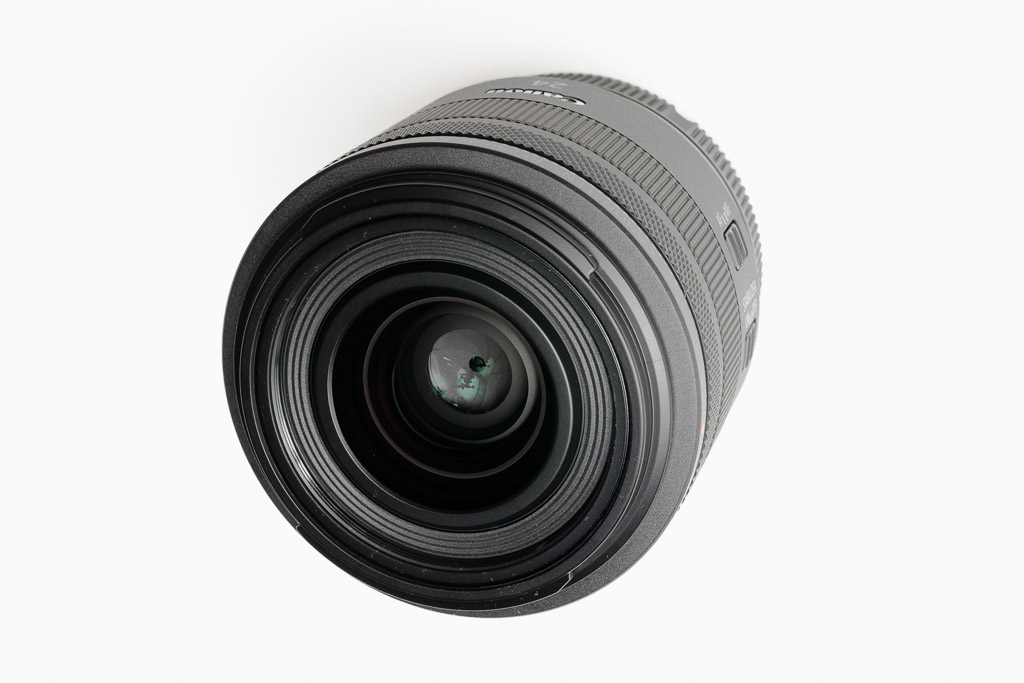
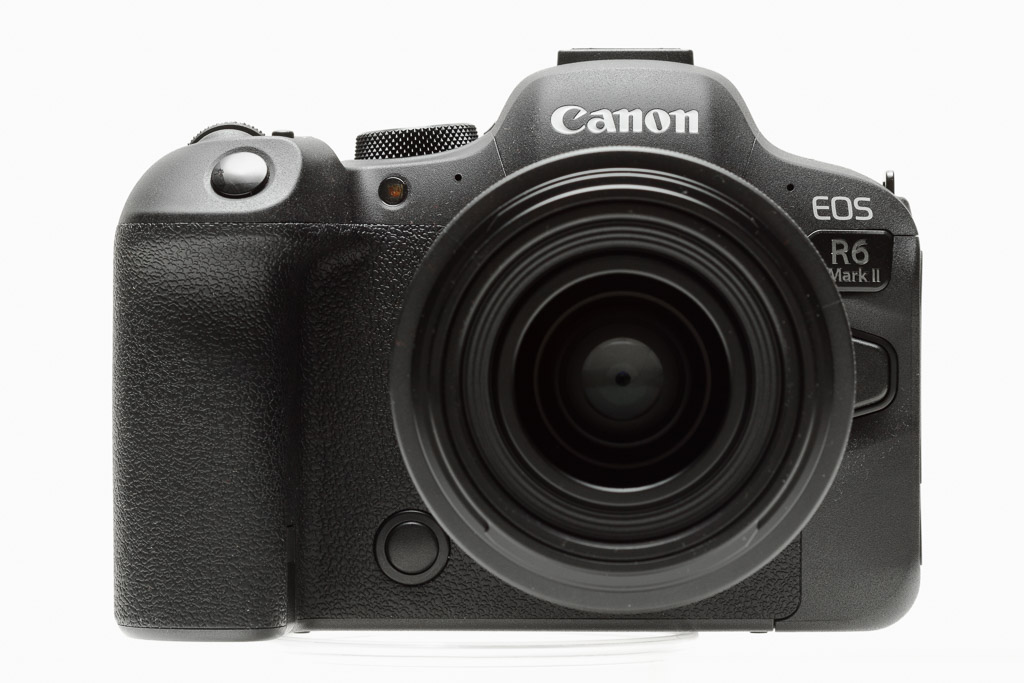
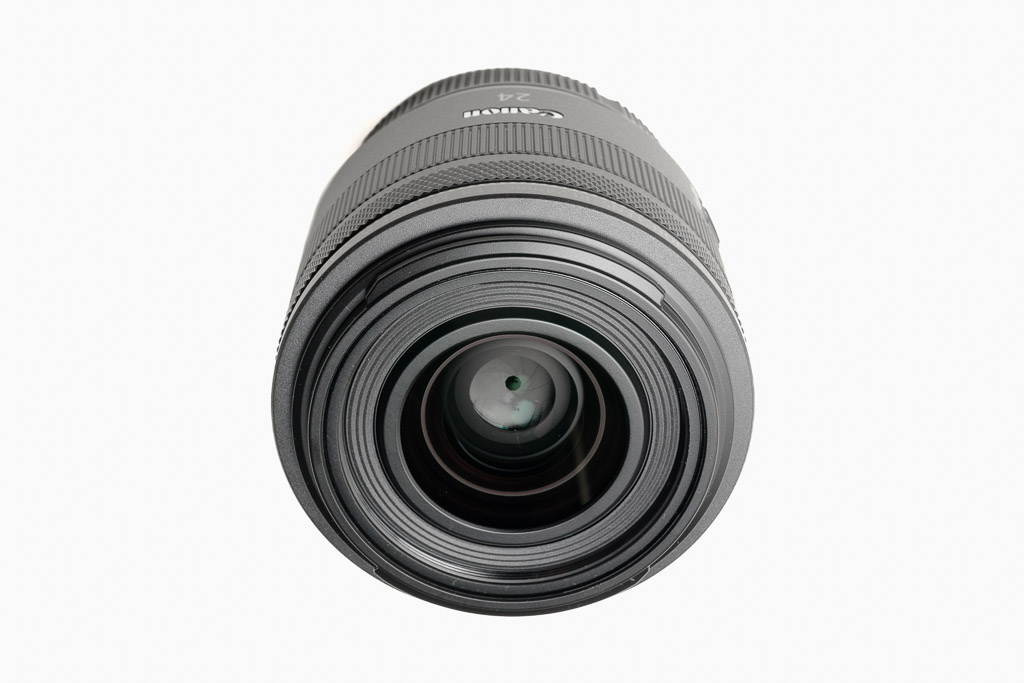
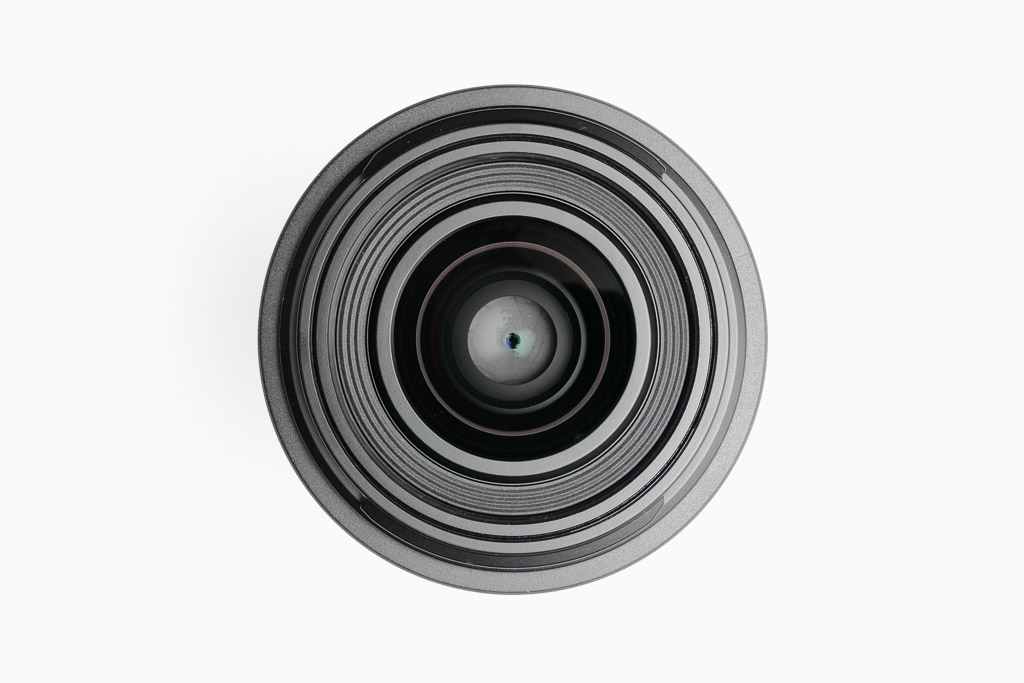
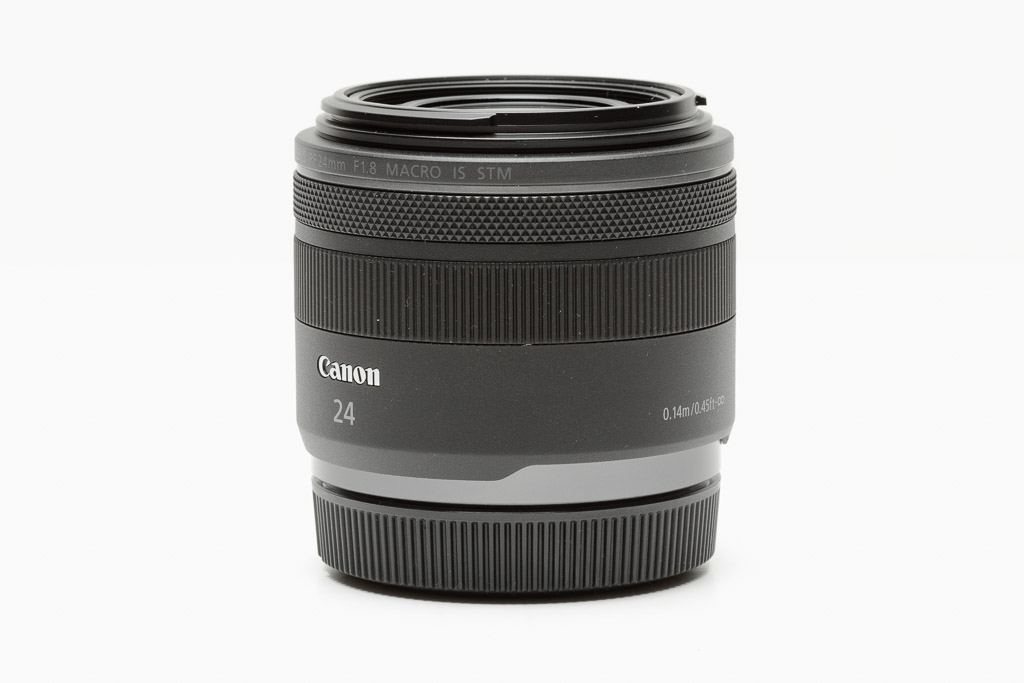
Canon RF 24mm ƒ/1.8 Macro IS STM
Introduced in August 2022, the Canon RF 24mm ƒ/1.8 Macro IS STM rounds out Canon’s non-L, moderately fast, STM, macro, prime line-up. It joins the 35mm and 85mm primes, sharing the same design language and common features of those focal lengths: dedicated IS and focus-mode switches, and separate focus and control rings.
I bought this lens to use while making my RC truck videos which involve shooting at low angle and close-up much of the time. My first RF lens was the RF 24-105mm ƒ/4 L IS USM, which is a great all-around standard-zoom, but not very fast and rather large (the RF 24mm video setup is 480 grams lighter). I bought the RF 24mm in February 2023, a month after getting my EOS R6 Mark II.
The 24mm focal length works well for the majority of my RC truck shots—not action cam wide and not restrictedly telephoto. It is also just barely fast enough to shoot 30fps video at dusk (ISO 800, 1/60 of a second), something I often do. Wide open, the close-up depth of focus is razor thin, and, unfortunately, sometimes wrong (I am almost always using AF, except when I lock focus altogether). At brighter times of the day I use a variable ND filter to allow me to shoot at wider apertures with moderately-low depth of focus.
For six months I used this lens either on a tripod or handheld slung from the top-handle of my SmallRig video cage. Handheld worked, but I had to be careful. Admittedly, an APS-C or Super 35 sensor would be more forgiving in this regard.
In the fall of 2023, I bought a DJI RS 3 Mini gimbal, which greatly improved the versatility of the EOS R6 Mark II/RF 24mm combination. Handheld shots became a breeze and I could shoot more video faster with longer continuous shots.
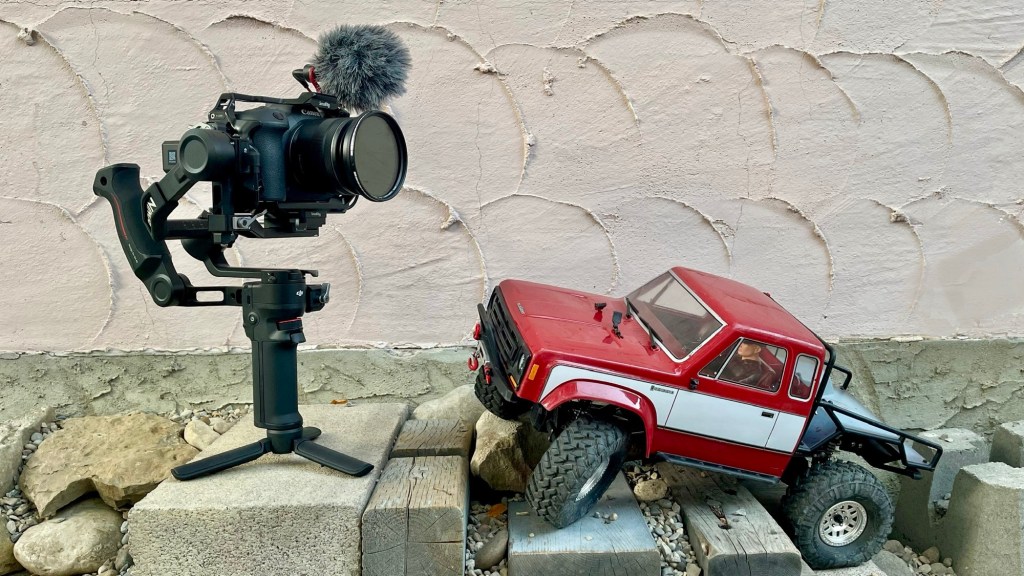

Balancing the RS 3 Mini with the EOS R6 Mark II/RF 24mm combination is problematic. It became easier when I replace the DJI stock camera plate with the SmallRig Arca-Swiss Mount Plate (#4195) and stock vertical arm with SmallRig Extended Vertical Arm (#4196), both of which lowered the centre of gravity of the camera/lens/cage. I still have to be careful about which accessories I use and how I route my cables, especially concerning the fore-aft (Tilt H) balance. Even the camera LCD screen’s position/angle is important.
The EOS R6 Mark II was Canon’s first MILC to support Focus Breathing Correction, and the RF 24mm ƒ/1.8 Macro IS STM was the first lens compatible with this feature. Focus Breathing Correction really adds to the cinematic quality of the video captured by what is a relatively inexpensive rig.
In still photography terms, the 24mm focal length has always been a favourite of mine. Good for landscape and architecture, environmental macros, and relatively free of distortion when photographing people, especially groups. The ƒ/1.8 maximum aperture lets me reduce the depth of focus if I want to. I also, like 35mm, for a field-of-view closer to human vision, or 28mm as a compromise between the two.
I’m writing this, sitting on the covered-deck of our cottage in Poland. Last year I travelled with my EOS M5 with a full suite of EF-M lenses. This year, I wanted to carry the R6 Mark II and chose to haul just two lenses across the Atlantic: the RF 24mm ƒ/1.8 Macro IS STM and the RF 16mm ƒ/2.8 STM.
I spent all spring shooting super telephoto with my new RF 100-500mm, so I felt a summer spent photographing wide-angle wouldn’t be a hardship. So far, so good. And this year’s RF-series kit is even lighter than the M-series kit. Next year I might invest in a compact RF-S travel zoom to extend my reach somewhat. How the RF 24mm ƒ/1.8 might fit into that kit I am unsure.
Samples






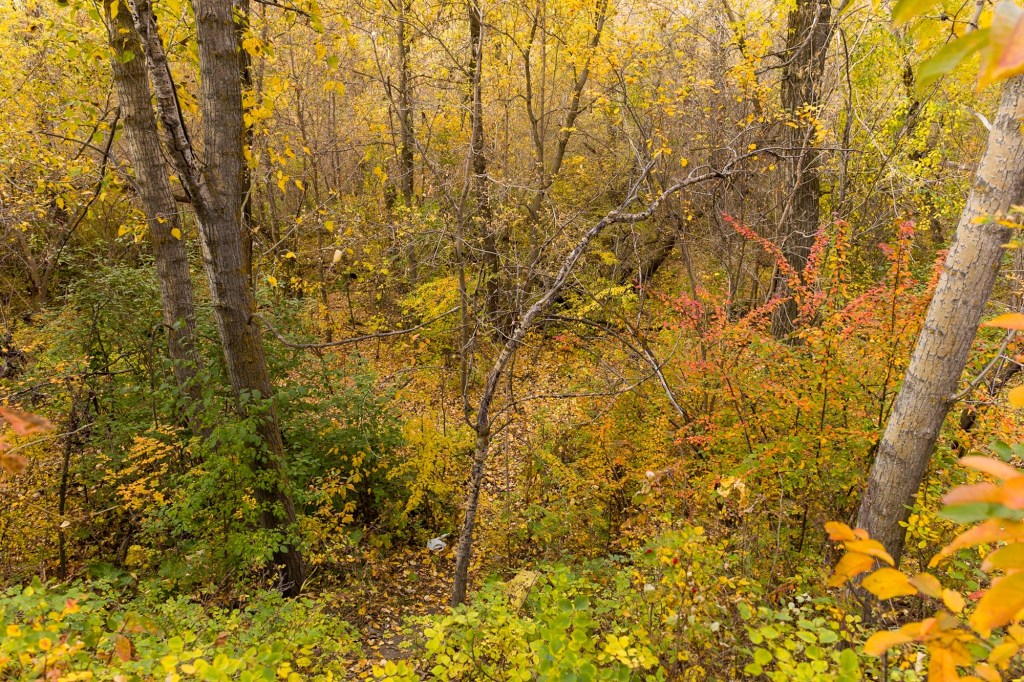



https://global.canon/en/c-museum/product/rf519.html
Previous: Canon RF 16mm ƒ/2.8 STM
 Springer Photo Graphics