New Sculpture: Forest Home

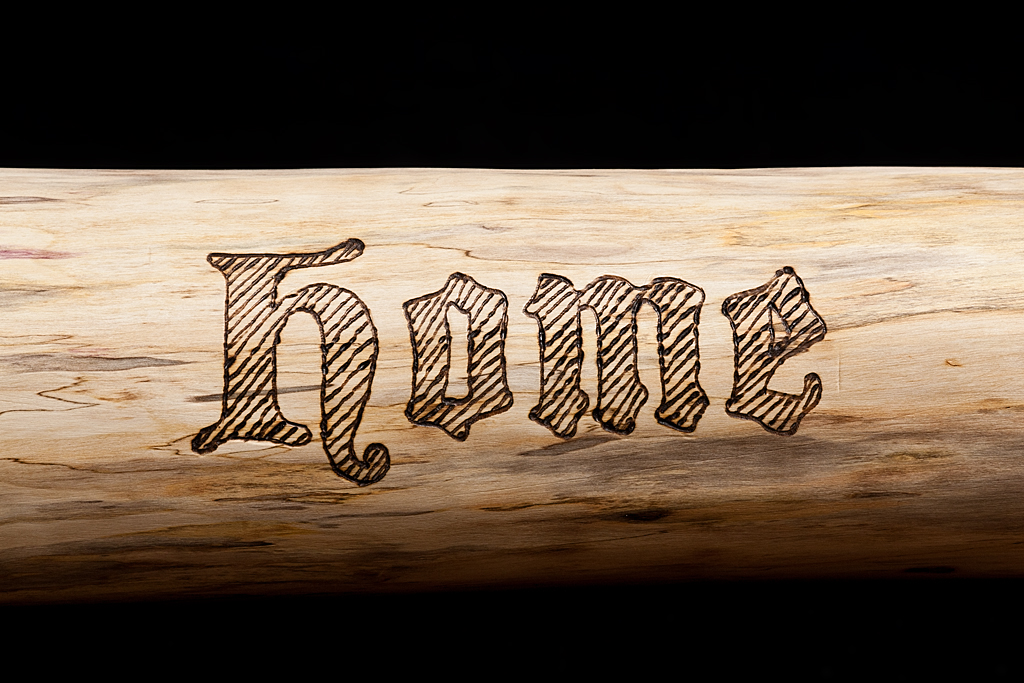
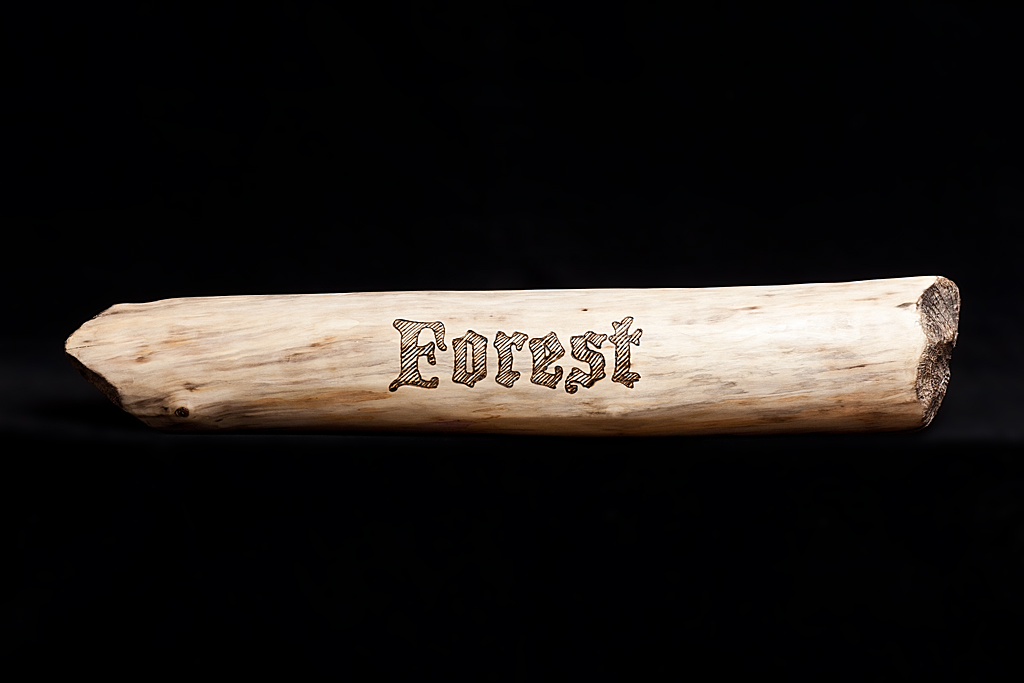
I finished a new “sculpture” today. Okay, it’s mostly just a log I found in the river and which had been cut down by a beaver. When I was a kid my dad had a beaver-chewed piece of wood which he turned into art by affixing a brass plaque which read “Canada’s First Sculpture”. Very post-modern.

I found my log in a pile of driftwood on the Bow River near my house. I’ve had it in my basement for a few years. Every so often I would look at it and think about what I would make with it. I pulled out the log a few weeks ago and had it sitting near the stairs so it would always be in my periphery. I always need to think about a piece for a good long while before it starts to take shape.

I considered putting a brass plaque on my log, in homage to my father. I was at the mall this week and almost went into the engraving shop to order something up, but I still couldn’t think what I wanted it to say.

When thinking about the log, my mind always bent to where it came from and to the industrious rodent who cut it. What kind of tree did it come from? Why did it drift away? How long had it been in the river? Single words, like forest, and wood, where all that came to mind.

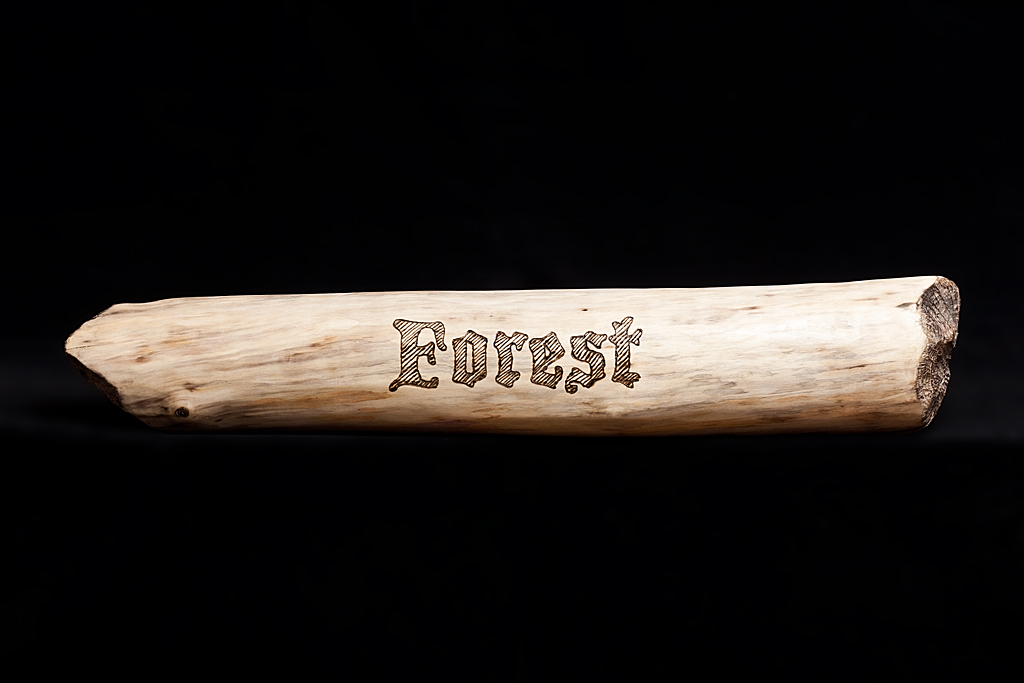
Then last evening, after a long day out at the cabin clearing the snow from the road, and collecting wood, my muscles weary, and my mind tired, I walked past the log sitting on the floor. As I looked at it I plainly saw the words forest and home in large, dark, block letters on the surface of the log. I had my idea. I tried out a few different typestyles on my computer and settled on Blackmoor, a blackletter font, for its blocky yet calligraphic shapes. I would use a wood-burner to brand the words into the log.

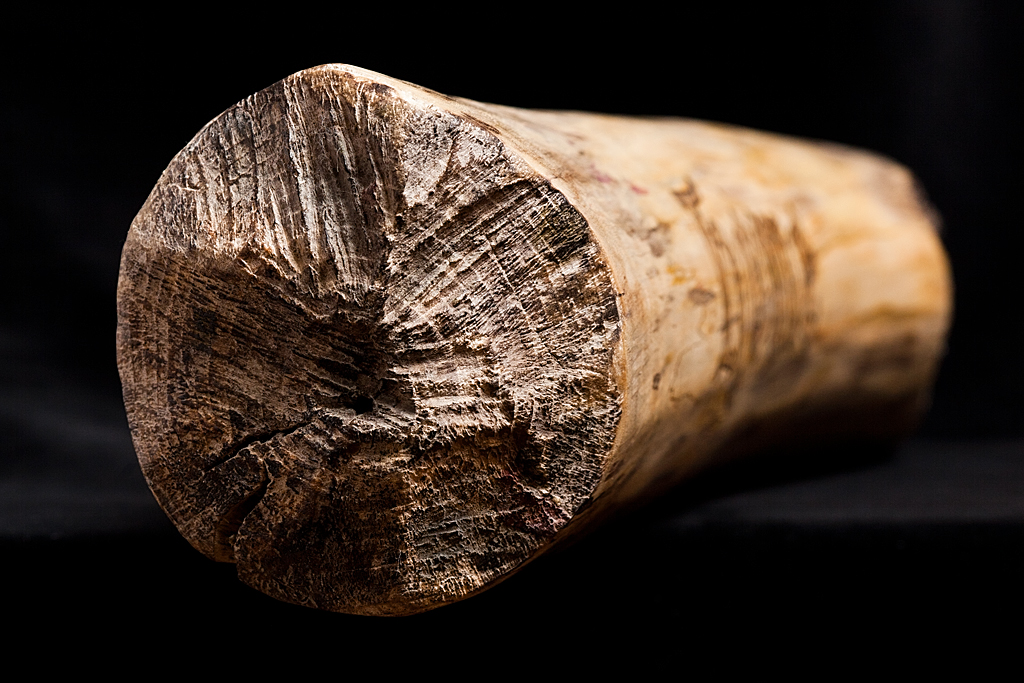
At first I had it in my mind that I would do very little to alter the surface of the log. However, looking closer at it on my workbench, I realized that the log was, well, rather dirty. Driftwood is not treated well. I used a wire-wheel on a small grinder to remove the surface dirt. I wasn’t satisfied. I sanded away the remaining dirt and grinder marks. As I did so interesting coloration came to the surface: purple algae, yellow wood, brown bark remnants. I smoothed the log with a spokeshave and then sanded and buffed the log to a glossy shine. It was really coming together. I used a wire brush on the ends of the log to remove the deeply entrenched dirt while trying to preserve the beaver’s dental marks that are the logs signature.

With a clean log, its wooden heart now fully exposed, I started carving the words onto alternate sides using a wood-burner. I love the smell of burning wood. The smoke smell lingering in the air and on my hands.

In the last step of transforming the log into a work of art I polished the surface with carnuba wax, again being careful to only lightly touch the gnawed ends.

I’m quite happy with the finished piece. It will sit nice on a cabinet, coffee table, or even the floor. The wood is natural, the words graphic and societal. Something that began life as a part of the forest, was cut down by an industrious animal for food or shelter, escaped in the chaotic mess of spring floods, was found amongst the debris and detritus of neglected nature in the centre of the Big City, and was turned into a symbol of usefulness and a reminder of the gifts that surround us.

Brigham Pipes

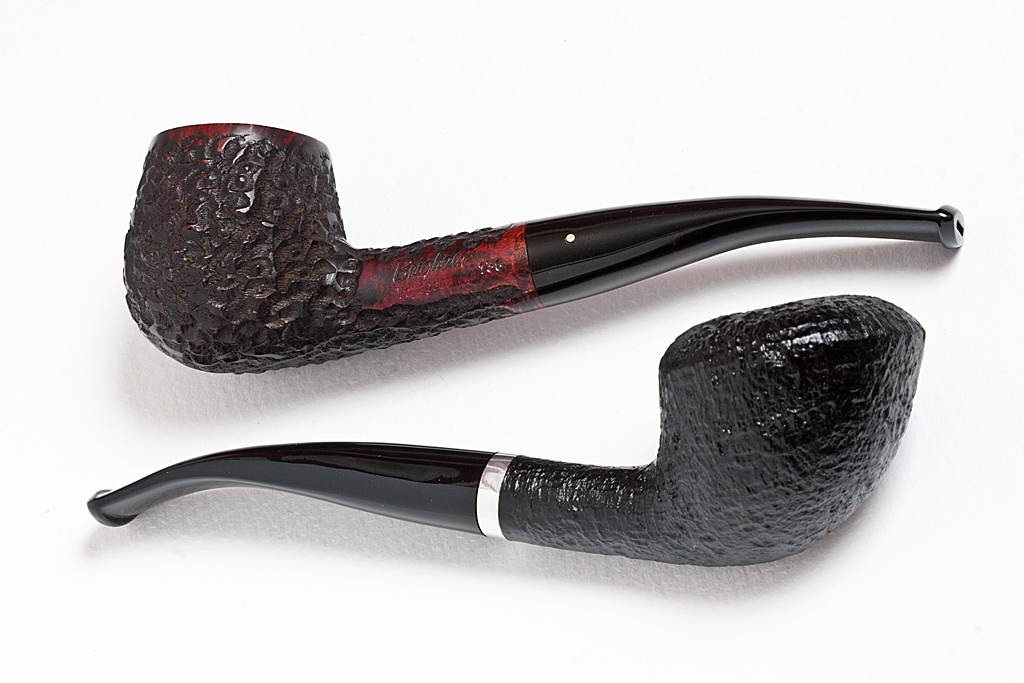
Brigham Pipes: Voyageur 136 and Chinook 426

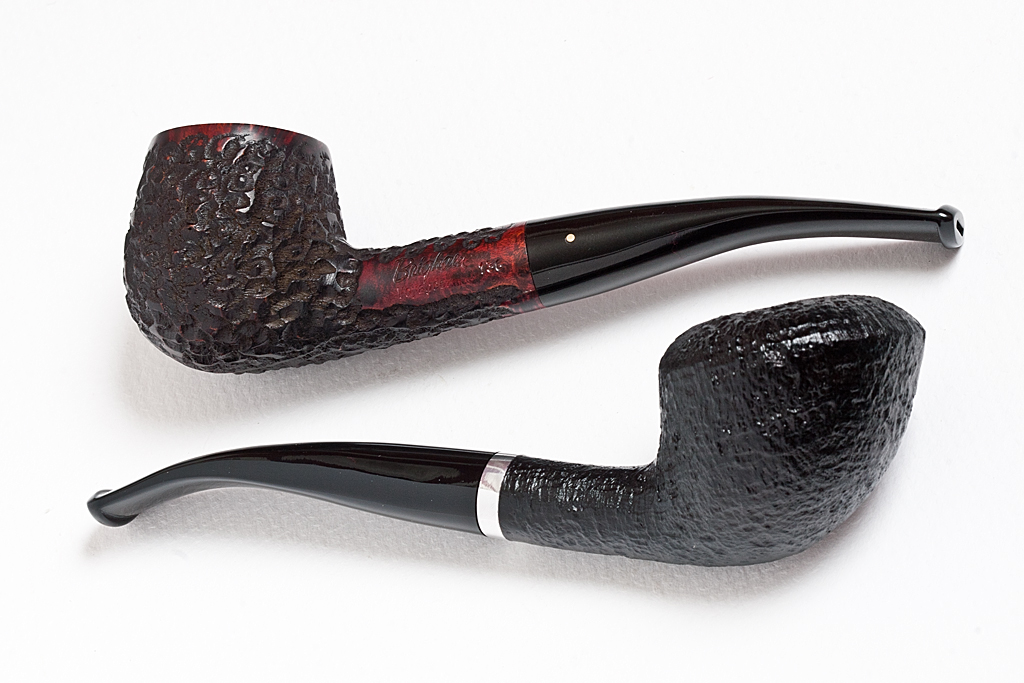
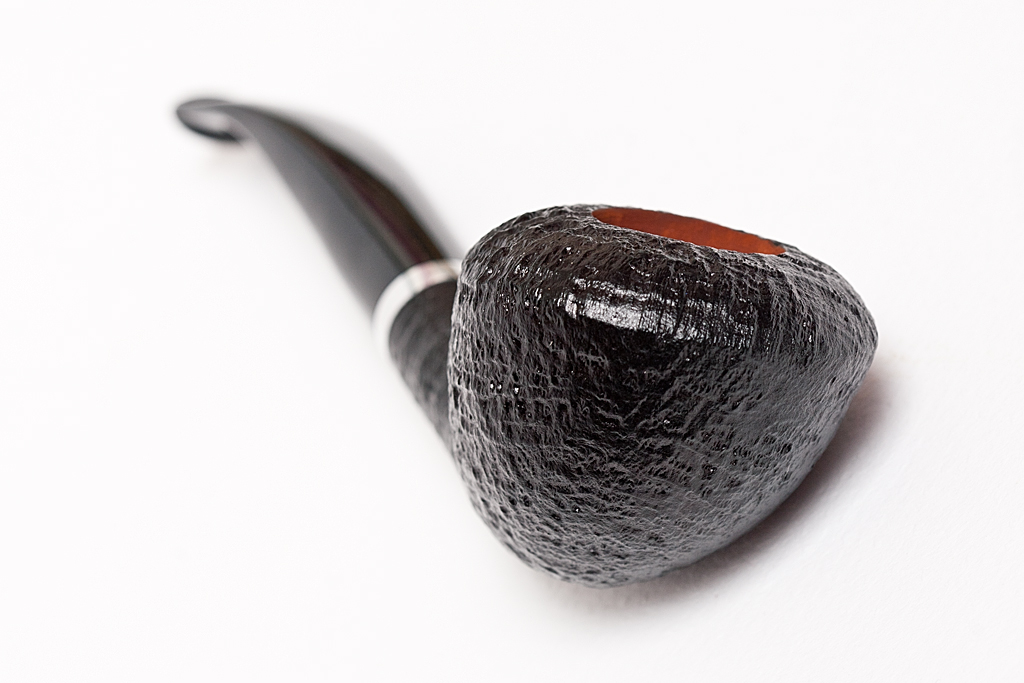
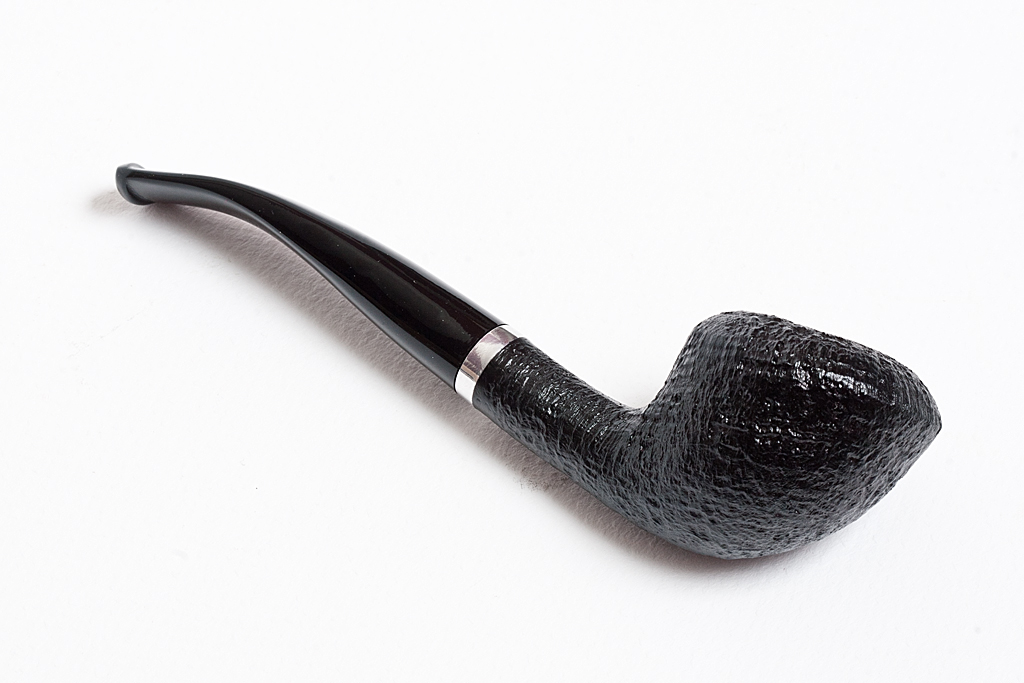
A new pipe arrived in the mail today: a Brigham Pipes Chinook 426 from smokingpipes.com. It looks very fine and is my second Brigham. My  first Brigham (and first pipe ever) is a Voyageur 136. Both are picture in the attached photo gallery.

And now for the painful process (or the exciting one depending on my mood) — deciding when and were to smoke this new pipe and what tobacco to pair it with. I’m open to suggestions.

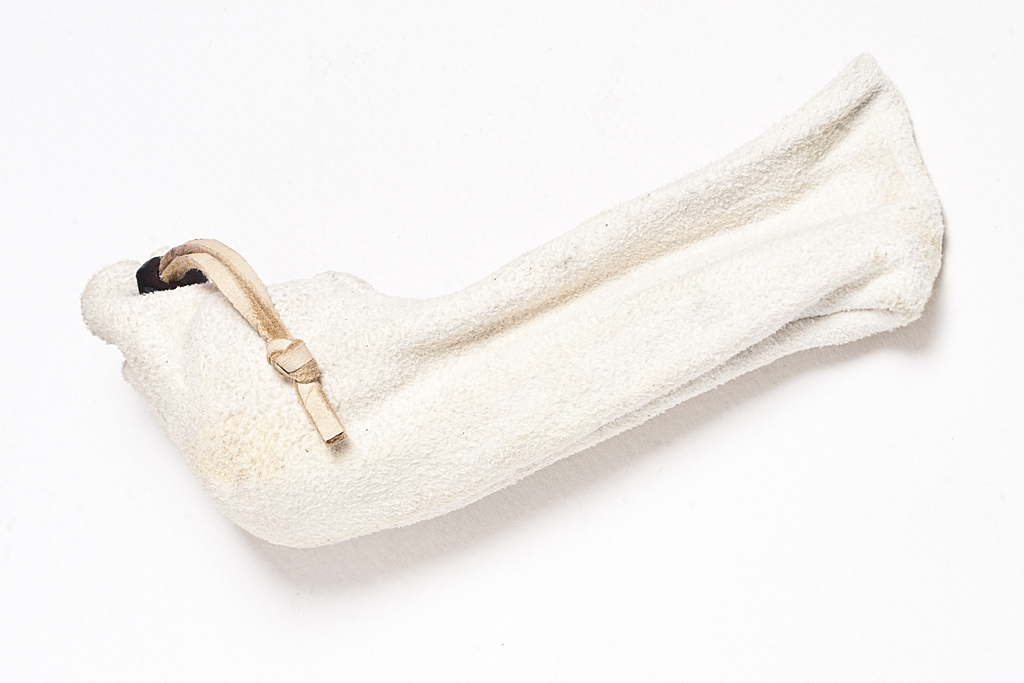
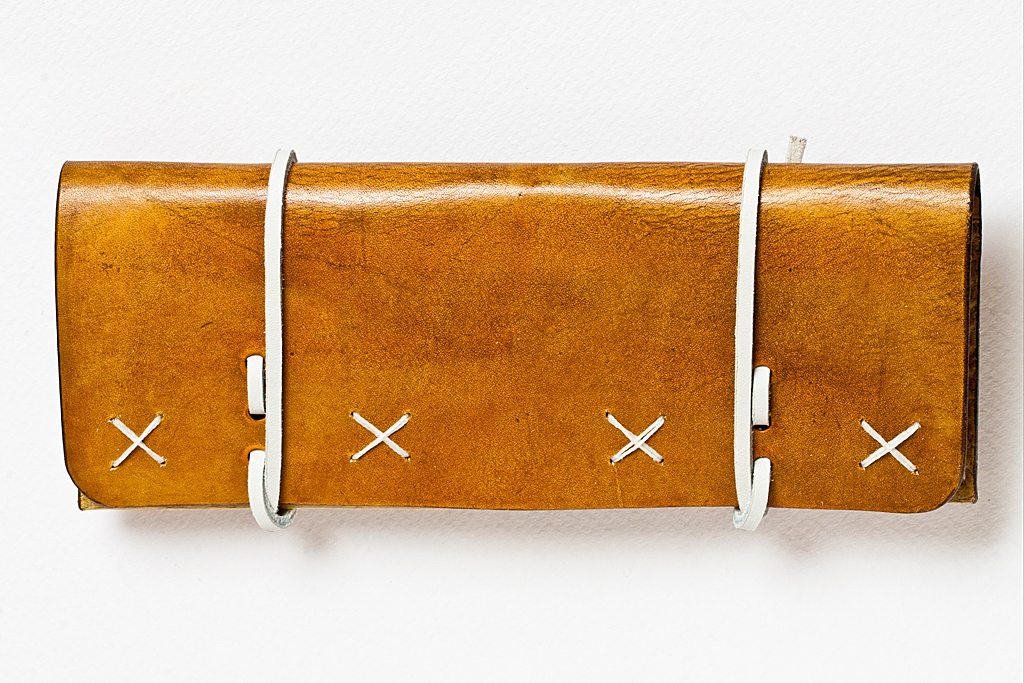
Leather Tobacco Pouch: White Wizard

Leather Tobacco Pouch: White Wizard

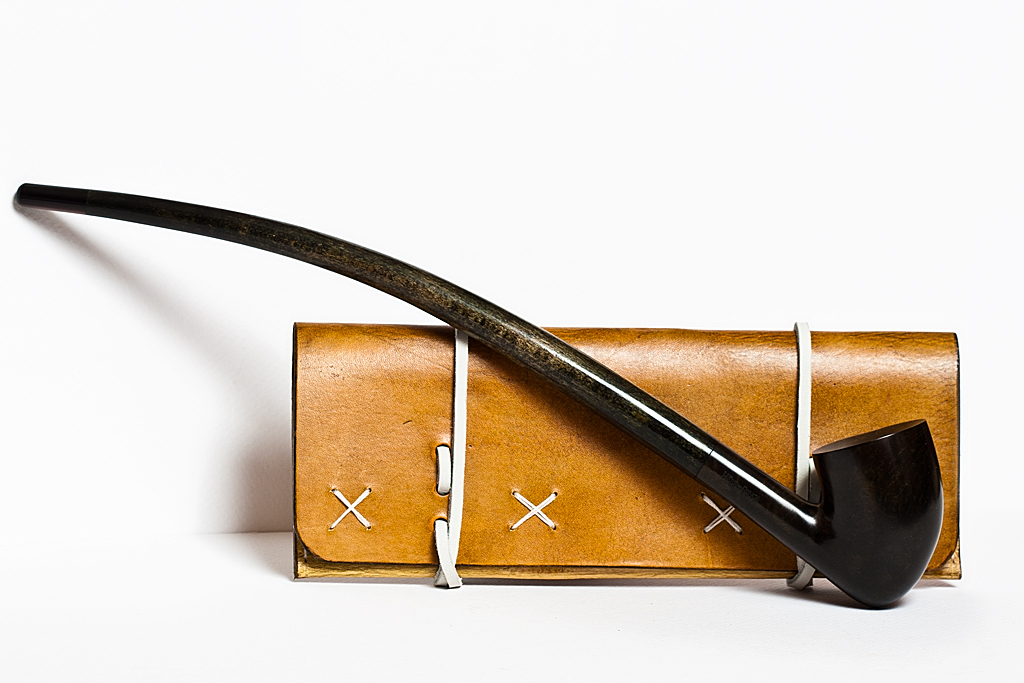
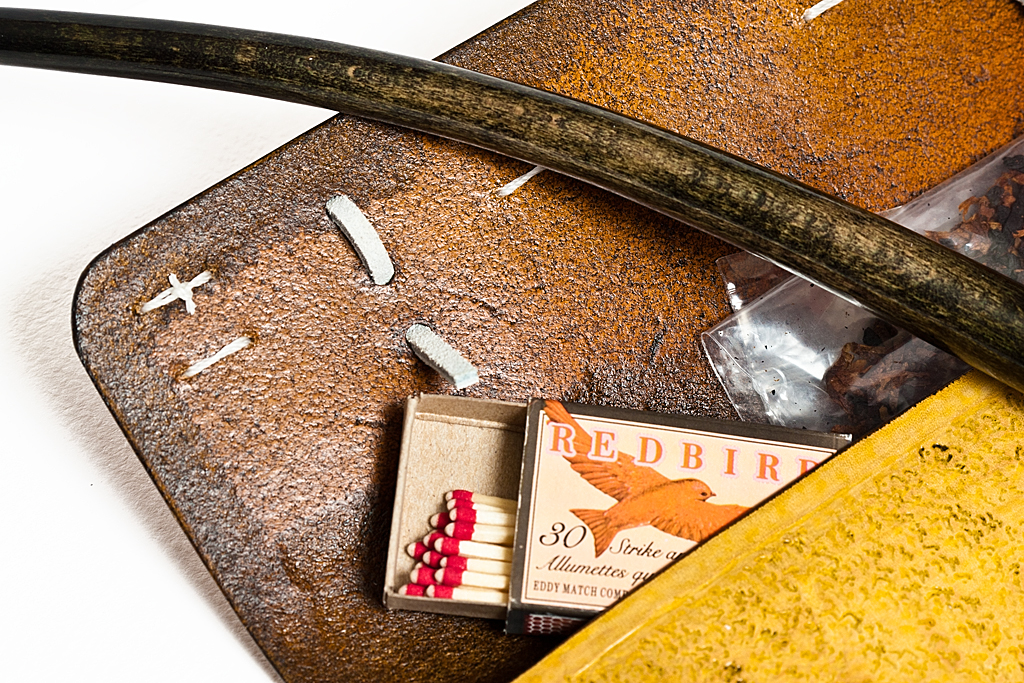
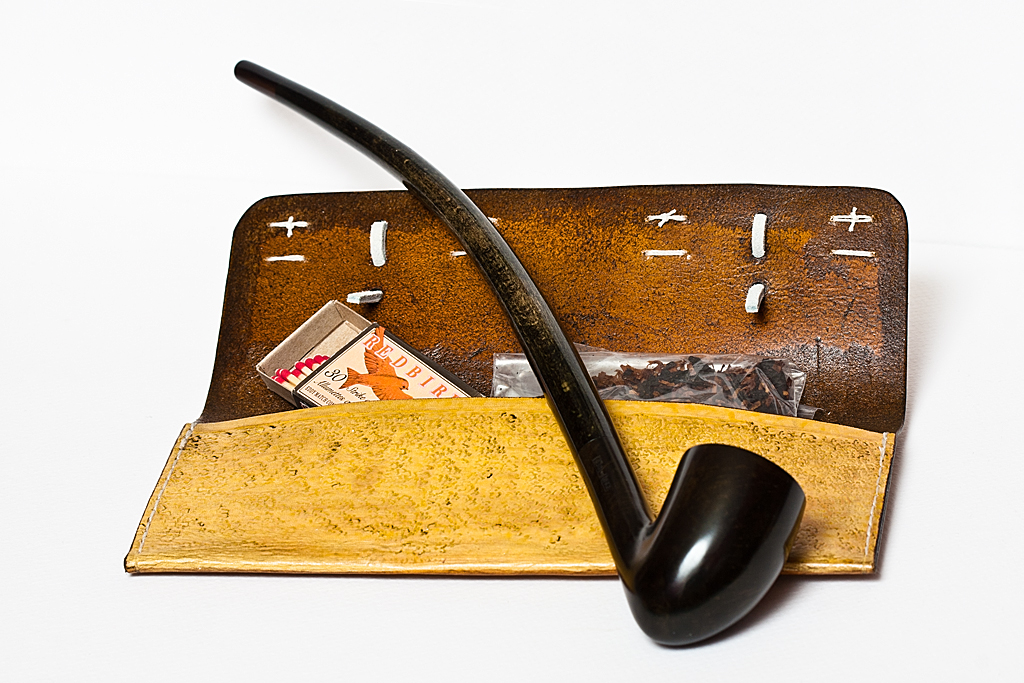
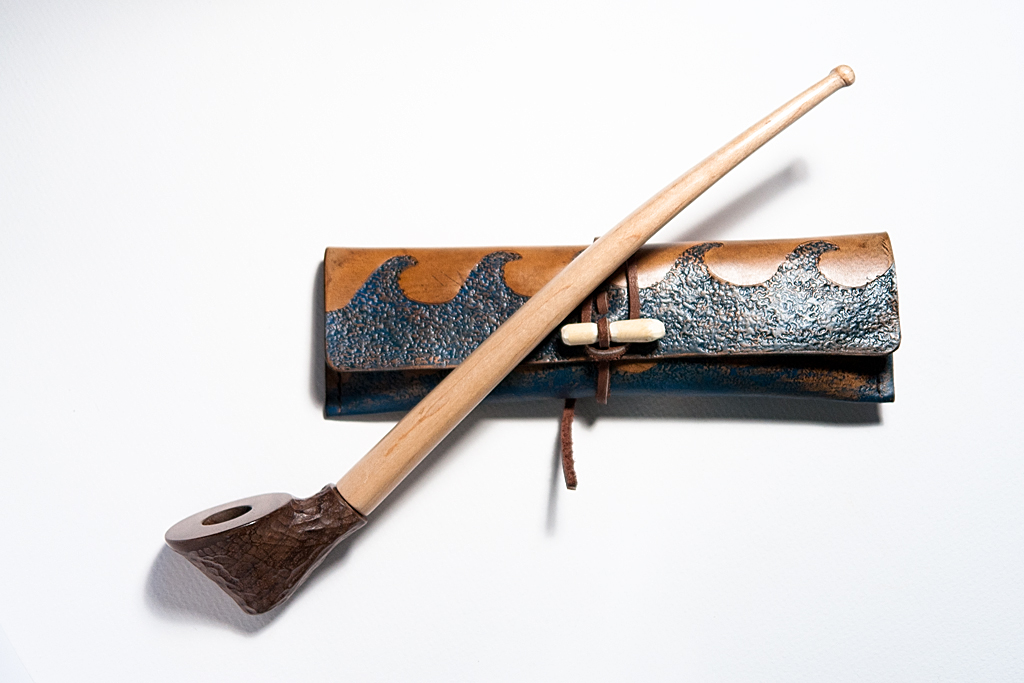
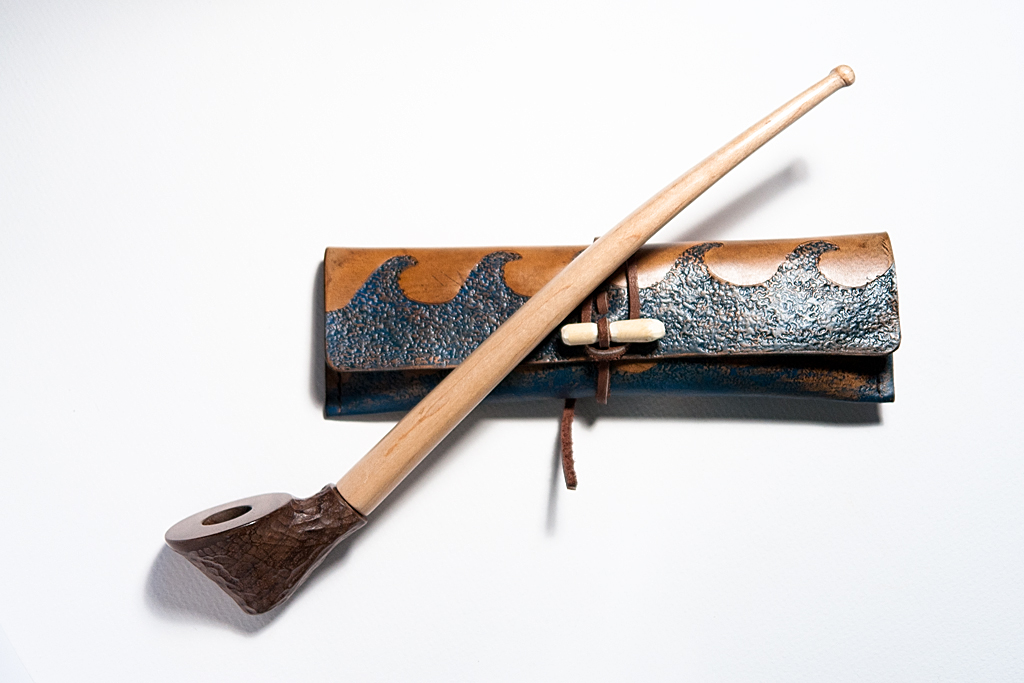
Leather Tobacco Pouch: White Wizard (with pipe)Pipes and leather were meant to go together. Since I started collecting, I’ve been making leather tobacco pouches as companion pieces for each of my pipes. Each one follows a theme correlated to the style of pipe.

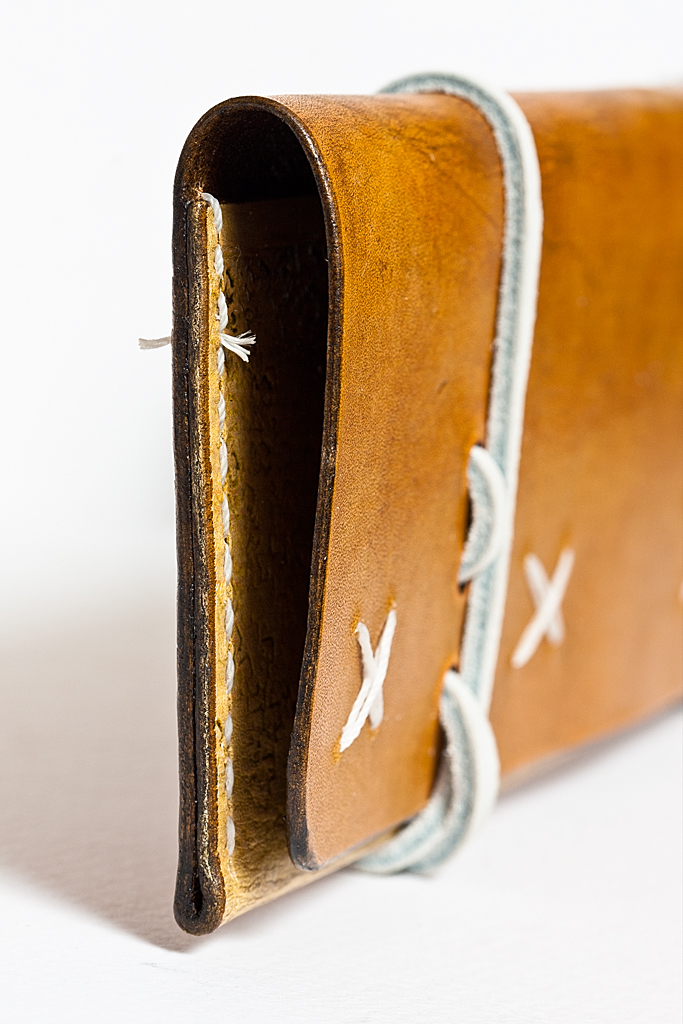
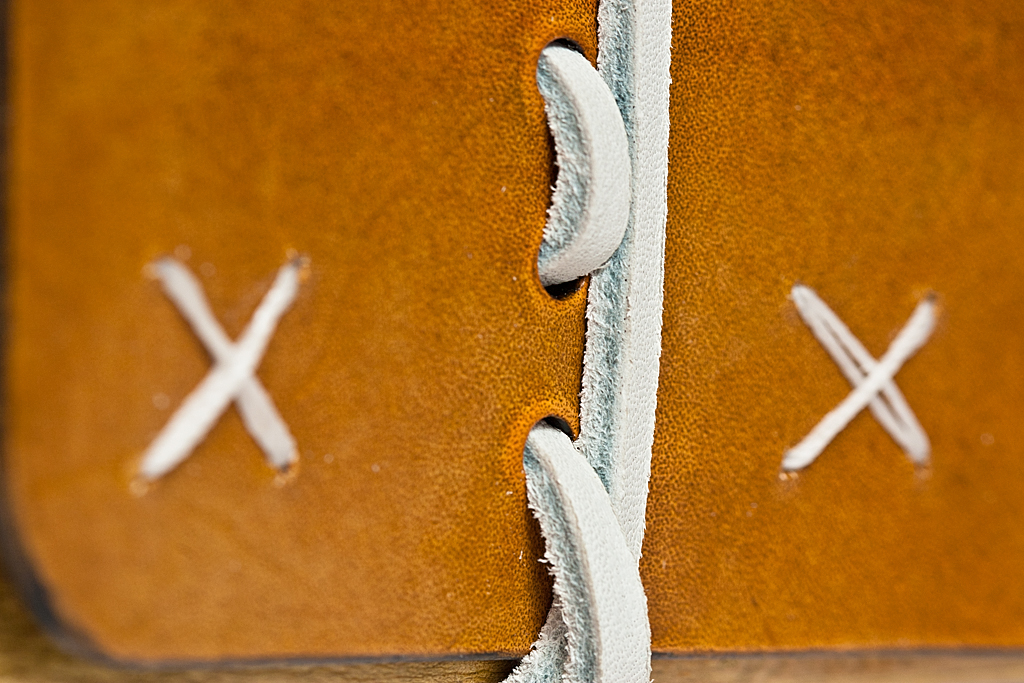
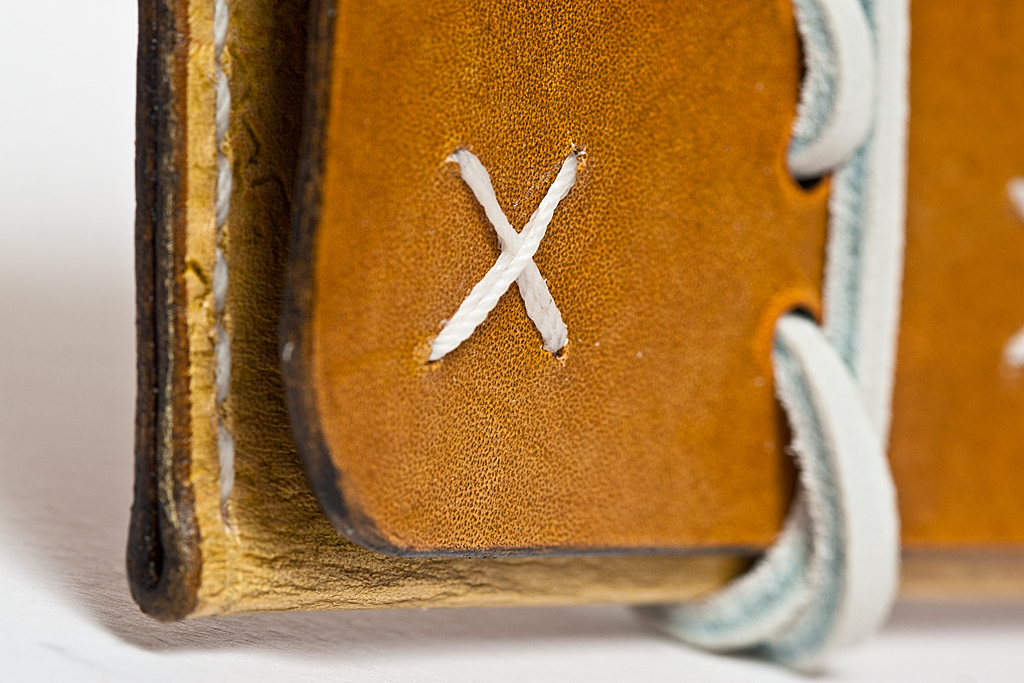
This evening I finished a new leather tobacco pouch as a companion to my Gandolf replica Lord of The Rings churchwarden. I’ve named this new pouch White Wizard. It is lightly stained a warm tan colour, hand-stitched with white waxed linen thread, and closed with two white leather thongs. The style is warm and unpretentious, with simple accents to give a sense of refinement. The leather has an antique finish to show that it has seen many miles and pipes.

I’m quite happy with the result. Now, I need to make a tamper to go with Gandolf and White Wizard. I also need to make tobacco pouches for the remaining three replica pipes in my Lord of The Rings set.

Base Camp X: Artemis Axe Supports Breast Cancer Research

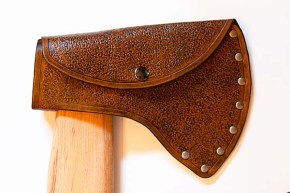
Base Camp X Artemis Pioneer Axe

This week I discovered a new axe company (in the way that Columbus “discovered” the New World, but that’s another story). Base Camp X produces handmade axes with wonderful contemporary designs. They are Canadian. And, right now, they are selling a version of their Pioneer axe and giving $100 for each axe sold to Breast Cancer Research. You heard that right — an axe that is helping to find a cure. Like Gransfors Brüks axes, Base Camp X axes are not cheap. But considering how much they are passing on to a good cause, you can think of your purchase of the lovely pink-handled Artemis as a donation of sorts. At least that’s how you can justify it to your loved one. Right, sweetie?

This will be my first Base Camp X axe. If the quality is what I expect, I imagine I will be ordering more. The Pathfinder and Cruiser axes look divine.


Earth, Air, Water, and Fire

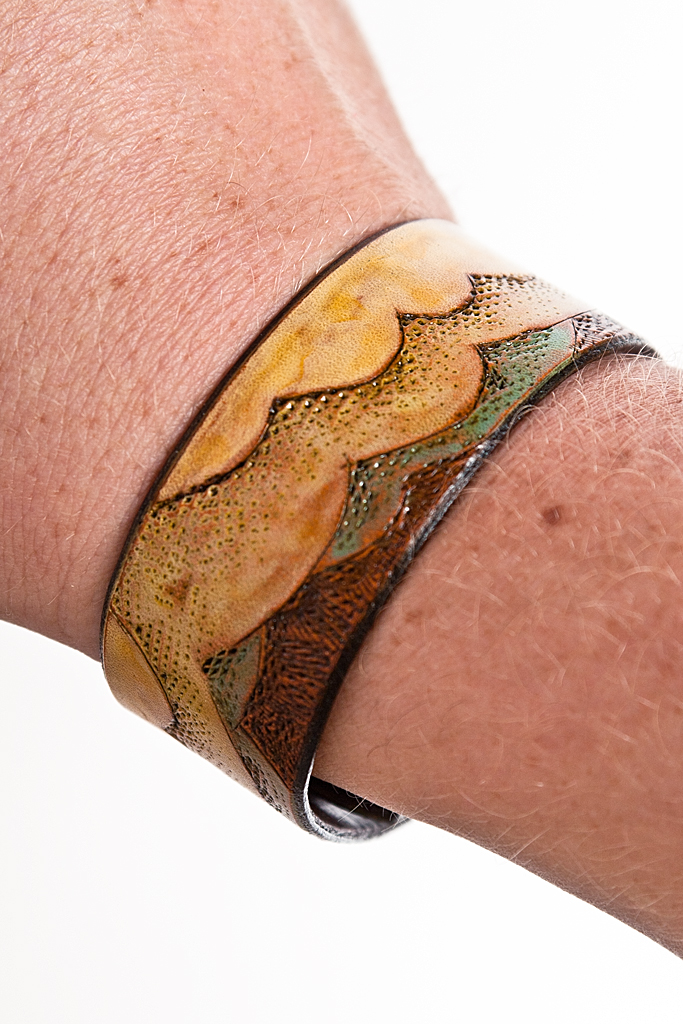
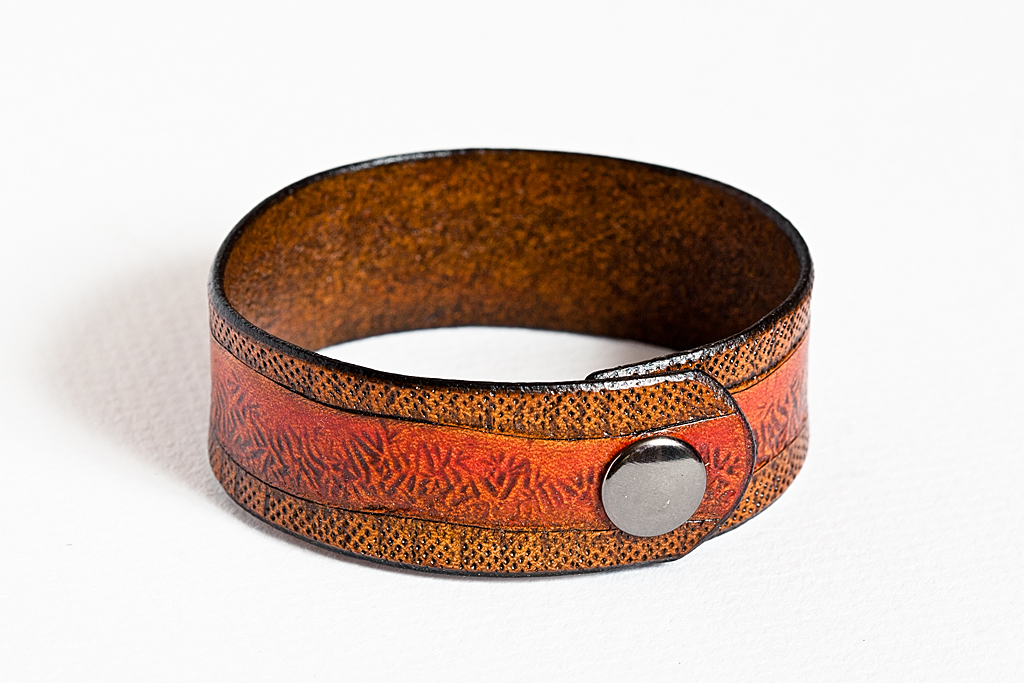
Leather Bracelet: Air

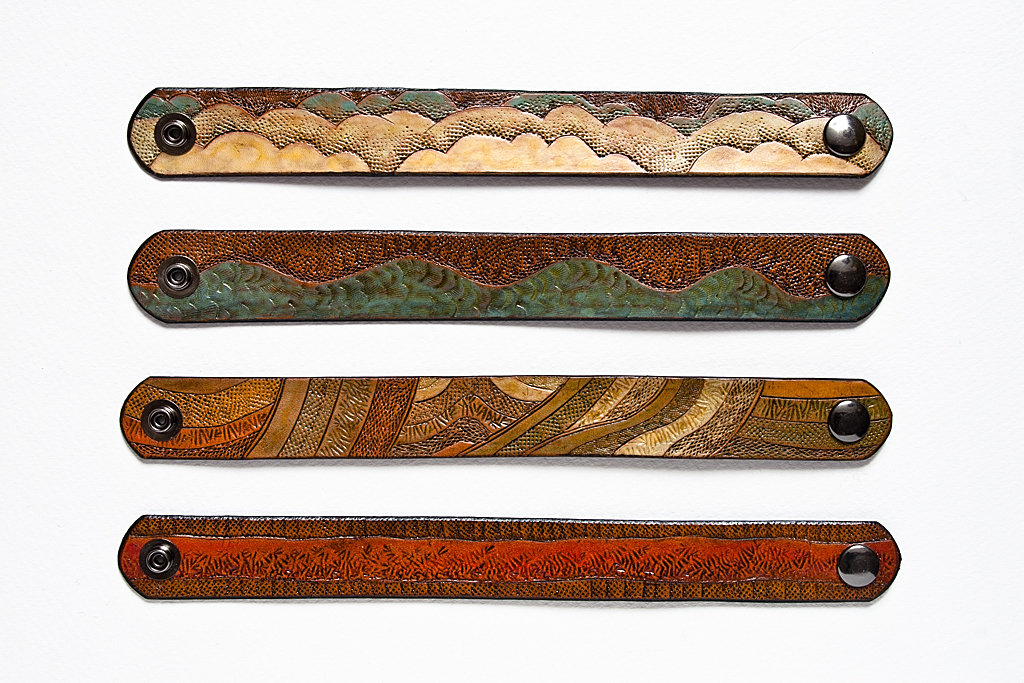
This evening, I finished making a series of leather bracelets I’m calling “Earth, Air, Water, and Fire”. The bracelets, 1″ x 9″ x 3/32″, are hand-tooled with graphic designs, each representing a different natural element. They are hand-painted and finished with a light antique gel. They close with a snap.

P.s., lately I’ve been lighting the photographs posted on this site using a simple tungsten photo bulb and reflector. Last week the bulb burned out. To photograph the bracelets I had to use a studio strobe light which had been packed away in a closet for years (I haven’t done much serious studio work for a while). While setting up the strobe, I reached into its case and found my long missing light meter! It’s a Sekonic L-508, with incident and ambient light meters and a 1°–4° zoom spot function. I’ve been looking for it for so long. It was required equipment when I was shooting large format, years ago. Today, with the preview on digital cameras, handheld light meters are almost unnecessary. I still like to use one for studio work though, even if just for nostalgic reasons.

Zen and the Art of T-shirts

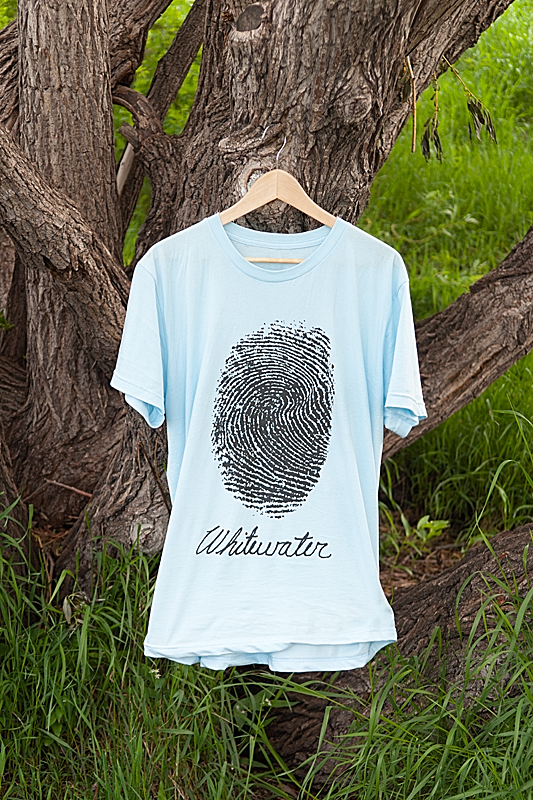
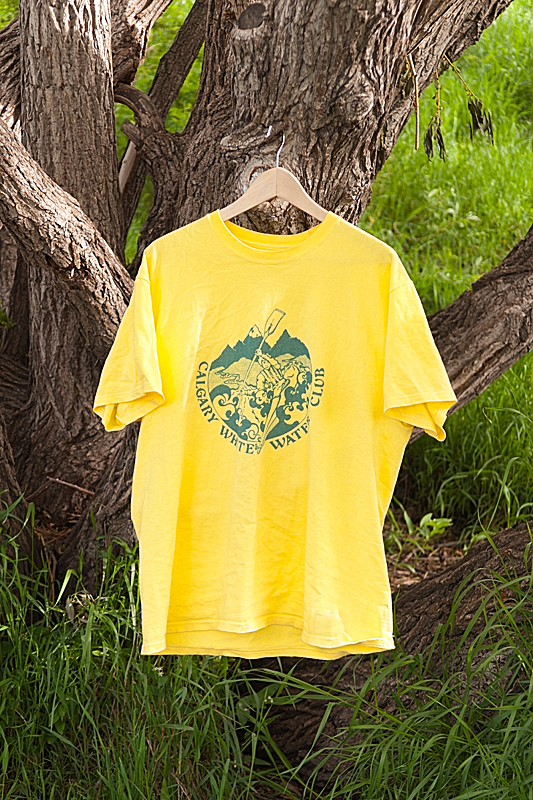
T-shirt: Calgary White Water Club

In high school I did a bit of silkscreen printing. T-shirts mostly. After high school my graphic arts teacher gave me his four-color silkscreen press. In university I continued my passion for silkscreening, taking several silkscreen printing classes while working on my Bachelor of Fine Arts. But my love of graphic printing was formed way before either university or high school. It all started with my dad.

My dad was an artist and a teacher. When I was very young he was the graphic arts teacher at the high school I would later attend. I remember him painting in his basement studio, or hunched over his drafting table designing logos for our hockey teams or the local whitewater kayaking club. I was deeply impacted by his visual sensibilities. His graphic sense has always informed my own work and I’m proud of that.

Today, my silkscreen press gathers dust in the corner of my basement workshop. Tubs of dried up ink hide under my work bench. Silkscreens are stacked somewhere deep in a storage room.

I wish I had the time to devote to printing, but I don’t. I love the process and I love the result, but just don’t have the time.

Thankfully, there is an alternative to ink and squeegees. On-line printing services, like Zazzle, are just a click away and make it way too easy to have your personal designs reproduced on just about any article you desire.

Zen

One day long ago, before I moved away from home, I was working in the darkroom my father had build under the basement stairs. At that time (about 2001) it was more of a storage closet than anything else. Tucked on a shelf underneath the enlarger I found a box containing some of the old logo designs my dad had created. I made digital scans of the designs with the thought that someday I would print them on t-shirts or stickers.

A couple of years ago I decided to get some shirts printed on-line. I used my dad’s designs and made some t-shirts and hoodies as Christmas gifts for the family. Everyone loved them. This spring I made a few new designs of my own and had them printed. I get lots of nice complements on my shirts.

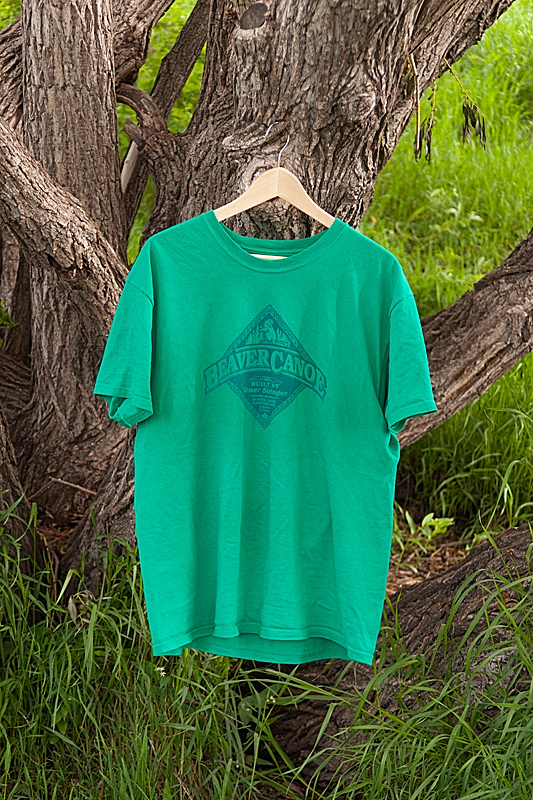
Unfortunately, the design I get the most comments on is not my own. If you were a teenager in Canada in the mid-Eighties, then you might remember the brand Beaver Canoe. They never sold much more than t-shirts and sweatshirts, and I can only recall them making one graphic, but for a while they were a real Canadian institution. Beaver Canoe stores disappeared in the the late-Eighties, but the intellectual property continues to be owned by Roots (the company that makes the Canadian Olympic Team uniforms, among other things), and this spring they once again started selling a few Beaver Canoe products. A typical reaction from thirty-somethings upon seeing me wearing one of my homemade Beaver Canoe reproduction t-shirts: “OMG! I haven’t seen a Beaver Canoe shirt in like forever, eh.”

The other fun design is one of my dad’s. I guess he was in his ironic phase when he came up with the idea to make all us kids t-shirts with the words “University of Bowness” printed on them. Bowness is the community in Calgary where I grew up. Bowness was traditionally a blue collar neighbourhood, with a rough and tumble reputation, known for its Hell’s Angel’s biker gang clubhouse, and rather tough hockey teams. Not many people from Bowness went to university, and the small community, which still feels like a 1950’s Alberta village, was certainly never home to one. Typical reaction from anyone who sees me wearing my “University of Bowness” t-shirt and who knows anything about Calgary: “University of Bowness!?”

As I write this, I’m stylin’ my dad-designed, blue-on-yellow “Calgary Whitewater Club” t-shirt.

Below is a gallery of some of the shirts and hoodies I’ve had printed recently. Enjoy.

New Pipe: Troll Mallet

Pipe - Troll Mallet in hand

In my previous post I wrote about a new series of pipes I have been thinking about. The idea is simple: if a troll made a pipe what would it look like?

The Design Process

According to the hilarious Norwegian film, Troll Hunter, the combination of concrete and charcoal is irresistible to trolls. My first sketch resembled two dirty rocks. Trolls are not very bright, so I figure one wouldn’t spend much time making a pipe look very nice.

My second sketch was of a fallen tree, roots and all, with a bird house/hole as the pipe bowl (presumably the birds moved out when the troll tore the tree from the ground). The tree pipe would be smoked by a larger variety of troll. They would probably smoke a combination of tobacco stolen from a barn, charcoal, and shredded tires (which they also find irresistible).

My next series of sketches more closely resembled traditional pipe shapes — horns to be exact (sometimes called hunters). Imagine: a troll kills a bunch of sheep, or a a few goats; after the meal the remnants of ruminants are lying around; the troll grabs a horn and settles down for a nice after dinner smoke. Yum. Unfortunately (or fortunately, depending on your point of view), I don’t have a ready supply of animal horns laying around so I could not easily replicate this scenario.

A New Pipe Shape

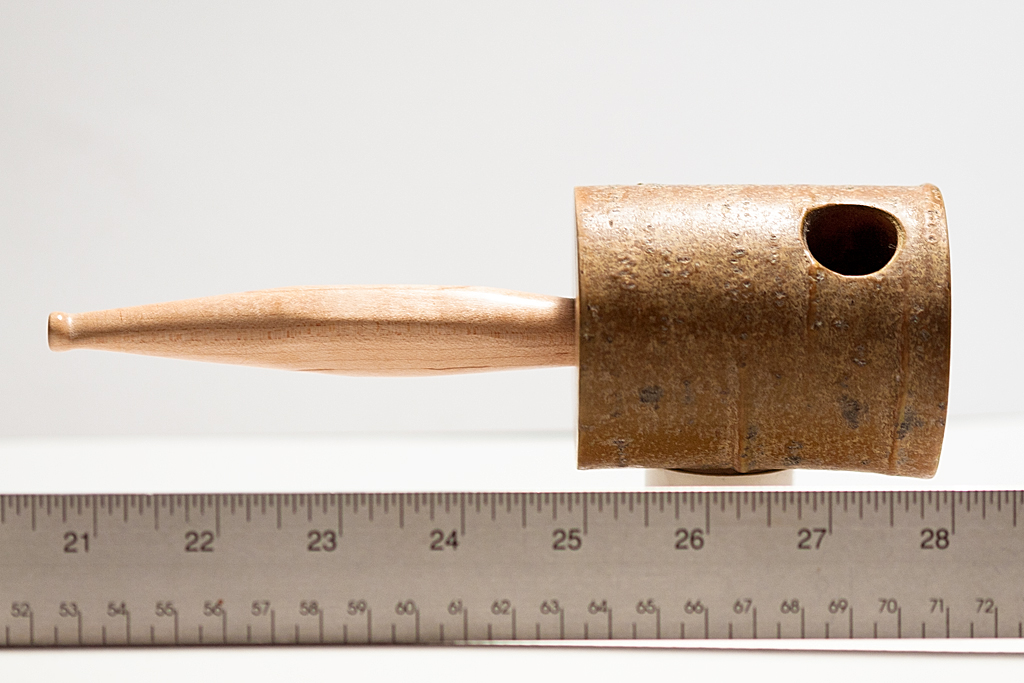
Thinking of other shapes a troll’s pipe might take, I glanced out my window toward the pile of firewood in my backyard. I’d been to the cabin recently and cut some small, two to three inch diameter, downed aspen for firewood. The greenwood, bark still attached, struck me as having troll pipe potential. I grabbed a piece and headed down to my shop.

I made a quick sketch. I didn’t want to shape the wood too much — just lop off a piece and drill a bowl chamber. But what kind of stem and how to attach it. For a complete unrelated woodworking project I need to install some spindle legs with a tapered tenon. I decided to use this joint for the stem tenon. In fact I decide to use the same taper for the bit end too.

The pipe came together very quickly. Within an hour and a half I had the bowel shaped, all the holes bored, the bit formed, and everything buffed with carnuba wax.

The finished product follows this brief: a young Mountain King troll breaks into your cabin; among other things it breaks up your kitchen chairs and scatters your fireplace wood all over; after eating all of your cat food it leaves, taking with it a chair leg, a piece of firewood, and a tin of tobacco. Later, it makes a pipe with the absconded wood. What does the pipe look like? Hint, the pipe could also function as a bludgeoning device.

The finished pipe very closely resembled the carvers mallet sitting on my workbench, so, “mallet” is what I call this new pipe shape.

Smoking

The green poplar wood bowl and maple stem smoked quite well, surprisingly. I think it will take a while to break in though. The mallet shape, while a little to unwieldily to hang between my teeth (a real troll could probably manage), rests wonderful in the palm of my hand, the thumb and middle finger wrapping around the barrel, and the index finger cupping the end. When packed and lit the mallet can be temporarily set on the end face while you tend to other business (troll business, I suppose).

I smoked the same Royal Coachman tobacco I have been smoking in my Brigham Voyageur. I’m becoming less a fan of this blend as time goes on. Time for a visit to Epicure to pick up something different. I’m not yet a connoisseur of tobacco so it might be hit and miss for a while. I can’t yet describe what I do or don’t like about a particular blend. Some ingredient in Royal Coachman just doesn’t agree with me. If you have any hints, let me know.

Today I probably won’t be making pipes. Today I will be making pies (similar spelling, but moderately different result). Pumpkin and apple. Not troll. It’s (Canadian) Thanksgiving today. Happy Thanksgiving. Happy pipes. Happy trolls.

P.s. Whatever becomes of this pipe, I will always have fond memories of it because it was while smoking the Troll Mallet for the first time that I figured out how to blow smoke rings!

Making My First Pipe

Ranger Pipe with Rivendell Leather Tobacco Pouch

In a previous post I admitted my new guilty pleasure — pipes. Besides the taste and smell of pipe tobacco, and the romance of smoking a pipe, I am also drawn to the aesthetics of the pipe shape for it’s own sake. Last weekend I made my very first pipe. I recently watched the Lord of The Rings trilogy (“LoTR”) and had become enamoured with the long-stem churchwarden-style pipes smoked by all the main characters. I decided to make my own.

Making

As with all pipes, the stem of a churchwarden is as important an element in the pipe’s design as the stummel (bowl and shank). Sadly, in the pipe world, the shape and finish of the stummel get most of the attention. In all my on-line research, I could find very little information about how to drill a small hole (1/8 inch or less) in a long (12 inch) piece of wood. I had some thin scraps laying around from another project so I opted for a bent laminate stem. The stem is maple and the draft hole was manufactured as part of the lay-up process (i.e., the stem consists of a top skin, two sidewalls, and a bottom skin). I managed the final rounding of the stem with a spokeshave, file (for the bit), and sand paper. Because I do not (yet) have a lathe, I opted to join the stem to the shank using a hollow dowl — it was easier to drill a mortise in the stem than to carve a tight round tenon.

The bowl is a conical shape that blends simply into the round shank. I didn’t model this shape on any pre-existing pipes. It just seemed natural and fits my hand nicely. I wasn’t to trying to replicate a specific pipe from LoTR either. I just wanted something that might look like it was carved from available materials in the wild by an experienced but refined adventurer. [pullthis]This is not your father’s billiard[/pullthis].

[pullshow]

The bowl was roughed out on the bandsaw and then hand carved, primarly with bent gouge and shallow fishtail gouge chisels (I recently acquired a basic set of round carving tools by Henry Taylor). I sandblasted a light texture in the chiselled hollows (a sand blasting cabinet is on my shopping list). The chiselled ridges and flat bowl top and bottom were smoothed and polished with tripoli and diamond compounds. The bowl and stem were brought to a nice shine with carnuba wax. I didn’t use any dies on this particular pipe — it’s au naturel.

I chose walnut for the stummel for several reason: 1) it is very hard; 2) I had some on hand; 3) I haven’t ordered any briar yet; 4) it provides a nice contrast to the maple stem. Most modern pipe bowls are made from briar, though other woods have been popular in the past (particularly orchard woods). Some eastern European pipemakers still produce pipes with cherry and pear wood (Mr. Brog in Poland, and Golden Gate in the Ukraine, for example). The current eastern European predilection for non-briar pipes may be motivated by sentiment, but in the past woods like cherry and pear were used out of necessity — during communist times it was nearly impossible to import briar.

Smoking

It was a joy to make my first pipe, the Ranger. Other than the stem, which took a bit of thought, the entire piece came together quite easily. Ranger smokes very nicely. The long stem provides a very cool smoke, and I had fewer relights than with my Brigham Voyageur. I’m still breaking it in, but so far the flavour is very pleasant. The draft hole is perhaps a bit too large (not much resistance), but that could be fixed with retrofit in the tenon. It will be a while before I know how the walnut will hold up to the heat. I’m also a bit (no pun intended) concerned about how the bit will hold up over to time. If the bit wears out prematurely I can retrofit a vulcanite replacement without substantially altering the stem. This is not meant to be an everyday smoker. At 12 3/4 inches long its more of a showpiece to be smoked for fun.

Pipe Dreaming

In a nice instance of serendipity, Ranger has been paired with a leather tobacco pouch I made several months ago — Rivendell — and a tobacco called Bilbo’s Pipe. I swear, I am not huge Tolkienite or anything like that. Aesthetics are both conscious and unconscious, requiring both effort and effortlessness, and when things are meant to come together, they will. (P.s., don’t tell my wife yet, but I recently ordered a full set of  four LoTR replica pipes from The Danish Pipeshop.)

I think for now I am done exploring this line. In fact, I’ve started sketching a new series of concepts partly based on a more recent movie destined to become a cult classic — the Norwegian film Troll Hunter (you have to watch it — Blair Witch meets District 9, and its not based on a f@cking comic book). This new idea also came to me after seeing Michail Revyagin’s brilliant Troll Bulldog, though my concepts are not likely to end up as sophisticated. My jumping off point is a simple question — if a troll made a pipe, what would it look like. Not pretty, I assure you.

The Road goes ever on and on,
Down from the door where it began.
Now far ahead the road has gone,
And I must follow, if I can,
Pursuing it with eager feet,
Until it joins some larger way
Where many paths and errands meet.
And whither then? I cannot say.

– Bilbo Baggins, from R.R. Tolkien’s The Hobbit

TROLL!

– Hans, from André Øvredal’s Troll Hunter

Getting Weird

Pipe Pouch 2

I’ve always considered myself a bit of an asocial eccentric. I hate crowds. I like being alone in the woods. And I like objects that are utilitarian but well made: wooden canoe paddles, axes, and now pipes.

Paddles

We don’t have too many lakes in Alberta (where I live). The canoeing in this part of the country consists primarily of whitewater river playing, running, and tripping. As such, the paddles I and my compatriots use most have to be powerful and indestructible, like the Werner Bandit. Beautiful in their own way, Werner paddles do lack something: the simplicity and warmth of wood.

At least once a summer my wife and I try to venture farther afield for an extended canoe trip. The lakes and gentler rivers of Northern Saskatchewan are a common destination. On a lake, nothing beats the feel of a wood paddle. With a pleasing shape, appropriate flex, and a thin profile, a good wood paddle is silent and nearly effortless in use. A graceful engine for a graceful craft.

Mountain Equipment Co-op carries several paddles from Redtail Paddle of Hastings, Ontario. I have several custom laminated Redtails in the “ottertail” shape. The grip of the most recent addition highlights the handcrafted nature of these paddles and the rough hewn surface rests beautifully in my hand.

I recently acquire a Grey Owl Voyageur 7″ (also available at MEC). While they lack some of the handcrafted sophistication of Redtails, Grey Owl paddles also lack some of the price. I intend the Voyageur to be a trusty lightweight spare for lake trips. It will usually only come out in shallower water, or on short river sections between lakes. On our recent 10 days on the MacLennan Lake Big Circle route the Voyageur got lucky and was used every kilometre — I loaned it to a fellow tripper rather than have them suffer the institutional plastic and aluminium rental they’d been stuck with.

Last year, I bought a guide to making wooden paddles. I didn’t get around to making my own paddle(s) last winter and my spokeshaves still long to shape raw wood into beautiful objects. This winter, I swear.

Pipes

For many years I’ve had to keep myself from buying a pipe. I have strong memories of the smell of my fathers pipe tobacco and smoke. I remember visiting the tobacconist with him as a child and watching the proprietor make a custom blend. And when I’m in the wilds on a trip, on warm calm evenings, or watching leaves turn colour and fall, I always think the world would be a better place if I had a pipe in hand. A pipe, in theory, is a simple object. But with skill and imagination, pipemakers create pipes of near infinite variety.

So, last week, I bought my first pipe. I did a bit of research on-line before hand. I knew the style of pipe I wanted: a curved briar with a rough finish in or around the $50 mark. At Epicure (formerly Cavendish in Moore), the shopkeeper showed me several pipes of this style from Brigham, a Canadian pipemaker based in Toronto. The style I chose is called the Voyageur 136 (appropriate, as the aforementioned recent canoe trip in Northern Saskatchewan help me make up my mind to finally purchase a pipe). (Coincidentally, the Grey Owl Voyageur paddle is exactly $50 dollars too.) I’m still in the process of breaking in my pipe and resolve to use it only occasionally (less than once a month, and preferably on trips).

The appeal of pipe-smoking is that it is a personal affair — a unique form of expression. As a video blogger on YouTube put it, “It’s your pipe — smoke it how you want.” What will my pipe taste like on a dark winter’s eve, with large snowflakes falling and the crisp sound of snow crunching underfoot? Probably just fine.

Axes

I’ll wager not too many city-folk give much thought to axes as aesthetic objects. Even people living in the country, or in the bush, likely think of axes simply as utilitarian devices made for a rough purpose: chopping wood. They are, but to me that makes them beautiful works of art as well. Like a canoe, the more stripped down an axe is in form and material, the better it does its job and the greater joy it brings the user.

Unfortunately, axes have fallen on hard times in this modern world. Most axes are mass produced eyesores that don’t really do their job (effortless cut wood). Lee Valley hardware carries a line of axes produced by the Swedish firm Gransfors Bruks. Gransfors Bruks specialize in creating hand-forged heirloom axes in traditional shapes and sizes. Heads receive no cosmetic treatment after being shaped by the forging hammers. Slight imperfections do not detract form their utility and are evidence of the skill of the maker. In fact, each smith stamps his or her initials in every axe head as a commitment to quality. The axe heads are mated to rough hewn handles soaked in linseed oil. These are not mass-produced, anonymous factory axes. Gransfors Bruks axes are infused with the soul and art of the individual craftspersons involved in their production, and are a joy to hold and use.

I recently added several more axes to my growing collection. As August draws to a close, and my mind starts to sense the not-too-distant cooling of autumn and the changing colours of the leaves, my intuition tells me that I should go into the woods to chop firewood. The ring of the axe, the sweat on my brow, the straining of muscles: precursors to the cold snows of winter and the chill of night fended off with a crackling flame in the fireplace.

Leather

Gransfors Bruks axes are supplied with handsome covers made of quality leather, but most hardware store axes come with no cover, or worse (because of the wasted material) a poor quality cover that provides no real protection (to axe or user) or which wears out after a season. Unfortunately (or fortunately, depending on your point-of-view), axes come in a myriad of shapes and sizes and it is nearly impossible to find a mass-produced axe cover that will work with your axe.

Needing to upgrade several of my axe covers, I recently manufactured my own. In the process I discovered Tandy Leather Factory. There are a lot of ways to work, shape, assemble, and use leather and this shop supports a lot of weird sub-cultures: bikers, cowboys, hippies, crafty moms, and self-styled lumberjacks.

In the coarse of several days, as many trips to the shop, and hours spent researching leathercraft on-line, I got hooked. My first axe cover turned out better than expected. But the desire to improve at the craft required learning new skills, and acquiring more specialized tools. Cutting, dyeing, and riveting, led to stamping, tooling, edging, and stitching.

In a short time I’ve time acquired the skills and tools necessary to make just about anything I could desire (anything made from leather anyway). A second axe cover led to a wonderfully simple and effective tobacco pouch and pipe case. (Remember the pipe? And yes, that is a cat smoking a pipe stamped on the pipe case.)  After the pipe case I made a nifty case for attaching a pen and pencil to my Moleskine notebook (another brand imbued with utility, simplicity, and purpose). I’ve got a long list of leather projects to undertake. Some I’ll save for those cold winter nights, cooped up by the fire.
Design Is Not A Product

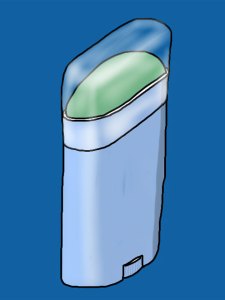
This is not a smartphone

I had to do some shopping this week. I needed antiperspirant (deodorant, pit-stick — choose your synonym). Mundane, I know. Yet, the process of buying antiperspirant sparked an idea in me.

[pullshow id=”smell”]

When I left the house I noted the brand and version of antiperspirant that I had been using (Right Guard Sport Regular, if you must know). A stick of antiperspirant lasts a while, so I don’t always have the particulars in my head. That, and I am a bit OCD — a creature of habit who is not likely to try something new just for the sake of it.

Standing in the personal hygiene aisle at the grocery store, I couldn’t find an antiperspirant package that looked like mine. Apparently antiperspirant is a fast paced industry, with new products coming out every six months or so. I sniffed a few alternates, but was unimpressed. Finally, I found a Right Guard Sport Regular stick that DID NOT look like mine and had the words “New 3D Odour Defense” written on it in big orange letters. This imposter stick smelled like mine, so I figured marketers had just been busy messing with a good thing.

Every time an app sells on iTunes an antiperspirant product designer cries

Antiperspirant

I’ve written recently about the nature of innovation. This episode with the antiperspirant got me thinking about the nature of product design.

Design pundits have argued that design is the driving factor behind all relevant companies today. Apple for instance, owes it’s existence, and its dominance to it’s design-driven philosophies.

Yet, anyone can make a stick of antiperspirant, or a smartphone, or an HTML5 website. What separates highly innovative products from merely functional ones? (I’ll ignore badly designed products for the moment.)

These days, good products are ones that take advantage of innovative new ways of formulating experience (e.g., Flipboard app, or Netflix). Really great products, the game changers, are those that are the genesis for shifts in behaviour and progenitors of vast product ecosystems (iPhone and the App Store, Facebook, the internet).

According to Bill Buxton, in his book Sketching User Experience, design is not about the “product,” but our responses to it.

Some academics, such as Hummels, Djajadiningrat, and Overbeeke (2001), go so far as to say that what we are creating is less a product than a “context for experience”. Another way of saying this is that it is not the physical entity or what is in the box (the material product) that is the true outcome of design. Rather it is the behavioural, experiential, and emotional responses that come about as a result of its existence and its use in the real world.

Another way of categorizing designs is by differentiating between products and tools. Products can be used. Tools change how we do things. Designing a stick of antiperspirant is a very different process from creating an ecosystem.

With this realization, I started to think about my own work in the microstock photography industry. Am I creating products, or an ecosystem for visual communication and commerce?

Design is a conscious process

Great design doesn’t happen by accident. You have to know what you are building and how it will be used. But, just as importantly, you have to leave some ambiguity and open ended-ness in your design, so that the tool can be extended and used as flexibly as possible.

[pullshow id=”harmony”]

Based on what I know about Steve Jobs’ design philosophies and emphasis on a closed loop system, I doubt the iPhone design brief stated “just make a slightly better smartphone.” Because Apple’s introduction of the iPhone really said “here is a handheld, powerful computer, which is mobile, wirelessly networked, motion-, light-, and sound-sensing and emitting, with an easy to use development environment and central distribution platform — go ahead and create software and experiences around it. We don’t know exactly what will happen, but we bet it will change a lot of things.”

Mark Zuckerburg, in his onstage interview at the November 2010 Web 2.0 Summit, was pretty clear about his design philosophy as far as Facebook is concerned: Facebook is a platform for social experiences. He will keep extending the platform into new verticals as long as it helps people share (photos, messaging, etc.) Facebook know they can’t do everything themselves and are very open to other people and companies building on-top of the platform (gaming for example).

Both Apple and Facebook are prime examples of the age old design adage, “the sum of the whole is greater than the parts.” Creating designs and thinking about usage in its totality results in a better overall physical, intellectual, and emotional experience for the user. [pullthis id=”harmony”]As in a Japanese garden, aesthetic and experiential beauty are found in harmony, rather than in singularity.[/pullthis]

And what about my antiperspirant. How does it fit into this über-product, experiential design paradigm? Well, [pullthis id=”smell”]I smell good, and I guess that counts for something[/pullthis].